Calgary neighbourhood guides

Every community has a personality. Let me introduce you.

I've spent years getting to know Calgary's neighbourhoods — not just the stats, but the streets, the schools, the feel of a Saturday morning. The guides I write here go deeper than a quick search will take you, because choosing the right community is just as important as choosing the right home. Browse below and find the neighbourhood that fits your life.

RSS

Woodbine vs. Canyon Meadows: Which SW Calgary Community Is Right for You?

Woodbine and Canyon Meadows sit right next to each other in southwest Calgary, and buyers cross-shopping the two are usually weighing the same underlying question: do you want the extra park access Woodbine offers, or the direct CTrain station Canyon Meadows offers? Both are established communities from a similar era, both attract long-term family buyers, and both get overlooked in favour of flashier new-build areas — which is exactly why they're worth comparing carefully instead of picking on name recognition alone.

Here's the honest, side-by-side breakdown.


The Core Trade-Off

Woodbine's case: Its entire southern boundary borders Fish Creek Provincial Park directly — 100+ km of trails, Sikome Lake, and Mackenzie Meadows Golf Course reachable without getting in a car. Lots here also tend to run larger, with mature landscaping throughout.

Canyon Meadows' case: It has its own CTrain station on the Red Line, sitting inside the community rather than requiring a bus connection to reach one — a genuine advantage for anyone who commutes downtown by transit regularly rather than by car.

If your daily life leans toward "I want nature at my back door," Woodbine wins that comparison outright. If it leans toward "I want to walk to a train and skip driving downtown," Canyon Meadows has the structural edge. Neither community fully replicates what the other offers, so this is a genuine either/or rather than a marginal difference.


Comparison Table

FactorWoodbineCanyon Meadows
Established19791965
Defining featureDirect Fish Creek Provincial Park boundaryIn-community CTrain station (Red Line)
Typical lot sizeLarger, established mature landscapingComparable established lots; slightly more variation
Home style/agePredominantly 1980s/90s single-family detachedPredominantly 1960s-80s single-family detached, similar mix of resale condition
CTrain accessNot direct — bus connection to Canyon Meadows StationDirect — station within the community
Commute to downtown (car)~15-20 min off-peak via Anderson RoadComparable, similar arterial access via Anderson Road/Macleod Trail corridor
Commute to downtown (transit)~35-45 min via MAX Yellow BRT~25-35 min via CTrain, no bus transfer required
Green space accessExceptional — park at the boundaryGood — southern boundary also touches Fish Creek Park, plus Canyon Meadows Golf & Country Club and Aquatic and Fitness Centre
Community amenitiesWoodcreek Community Association (rinks, courts, sports fields)Canyon Meadows Golf & Country Club, Aquatic and Fitness Centre, comparable community-association programming
Detached benchmark price (2025 avg.)$714,296$812,867
Overall average asking price (May 2026, all property types)$697,433$662,958
Median days on market14 days21 days
% selling above asking33.3%6.7%
Best buyer fitPark-focused families, larger-lot seekersTransit-dependent commuters, buyers prioritizing car-free downtown access

Figures above are illustrative — confirm current MLS® data with your REALTOR® before relying on them for a specific offer.


Price Point

Both communities sit in a similar established-SW price band relative to newer developments further from the core — buyers are generally paying for location, lot size, and school access rather than modern finishes. Woodbine's detached average across 2025 landed at $714,296, versus $812,867 for Canyon Meadows detached homes — Canyon Meadows benchmarks higher, reflecting its own CTrain station. But Woodbine's overall average asking price across all property types (May 2026) was actually higher at $697,433 versus Canyon Meadows' $662,958, because Canyon Meadows also carries a meaningful condo and townhome segment that pulls its blended average down and gives buyers on a tighter budget more realistic entry points. If price point is your primary filter, the two communities are close enough that lot size, home condition, and the park-vs-transit trade-off above should be the deciding factors — not price alone.


Lot & Home Size

Both communities offer larger lots than most post-2000 SW Calgary subdivisions, which is one of the reasons buyers cross-shop them in the first place. Woodbine's lots along the Fish Creek ridge specifically tend to be among the largest and most private in either community, given the ravine buffer. Canyon Meadows offers solid lot sizes throughout, with less of the "premium ridge tier" that Woodbine's southern streets carry — its size profile is more consistently mid-range rather than having a distinct upper tier.


Amenities & Schools

Both communities have community associations running genuine recreational programming, and both sit within reach of strong CBE and Catholic school options. Woodbine has two elementary schools inside the community itself, plus proximity to Dr. E.P. Scarlett High School and its large AP/French Immersion programs. Canyon Meadows has comparable in-community elementary access and shares the broader south-Calgary secondary school catchment. Neither community has a meaningful edge here — this comparison mostly comes down to the park-vs-transit question above.


Commute & Transit

This is the sharpest differentiator between the two. Canyon Meadows Station sits inside the Canyon Meadows community, meaning residents can walk directly to Red Line CTrain service without a bus transfer. Woodbine residents reach the same station via a local bus connection, or use the MAX Yellow BRT from the Woodview or Woodpark stations for a more direct (if slower) route downtown. For a daily downtown transit commuter, Canyon Meadows removes a transfer from the trip; for a driver, the difference between the two communities is much smaller.


Resale & Long-Term Value Considerations

Both communities benefit from being established, land-locked SW neighbourhoods with no meaningful new-build competition nearby — a structural advantage over communities on Calgary's growing edges, where fresh subdivisions keep adding inventory that competes directly with resale listings. That scarcity tends to support long-term value in both Woodbine and Canyon Meadows.

Where they differ is in what drives the premium within each community. In Woodbine, the clearest value driver is proximity to the Fish Creek ridge — two otherwise similar homes a few streets apart can carry a meaningful price gap based on park access alone. In Canyon Meadows, proximity to the CTrain station plays a similar role, with homes an easy walk from the platform generally commanding stronger buyer interest than those requiring a longer walk or a drive to reach it. If you're thinking about resale five or ten years out, understanding which of these two value drivers matters more to future buyers in each community is worth a direct conversation before you commit to a specific street.


A Word on Inventory and Timing

Neither community turns over quickly, and that cuts both ways. It means pride of ownership tends to be high and streets stay well-kept, but it also means buyers sometimes wait longer for the right listing to come up in the specific sub-area they want — a ridge lot in Woodbine or a station-adjacent home in Canyon Meadows doesn't come to market on a predictable schedule. If you have a specific must-have within either community, it's worth setting up a listing alert and being ready to move rather than assuming there will always be another comparable option next month.


Frequently Asked Questions

Which sells faster, Woodbine or Canyon Meadows?

Woodbine, based on recent figures — a median 14 days on market versus 21 days for Canyon Meadows. Woodbine also sees a much higher share of homes sell above asking (33.3% versus 6.7%), suggesting a somewhat more competitive buyer pool for the properties that do come up.

Canyon Meadows' detached benchmark price is higher, but its overall average asking price is lower — why?

Because the two figures measure different things. Canyon Meadows' detached benchmark ($812,867 vs. Woodbine's $714,296) reflects single-family homes only, and Canyon Meadows' CTrain access supports a premium there. But Canyon Meadows also carries a meaningful condo and townhome segment that Woodbine largely doesn't, which pulls its blended average across all property types down to $662,958 — below Woodbine's $697,433. If you're only comparing detached homes, Canyon Meadows runs higher; if you're comparing the full market, Woodbine's blended average is higher.

Is it harder to get an offer accepted in Woodbine than in Canyon Meadows?

The numbers suggest so at the moment — a third of Woodbine sales are going above asking versus under 7% in Canyon Meadows, and Woodbine's shorter median days-on-market points to a faster-moving market overall. That can mean less room to negotiate and less time to make a decision once a Woodbine listing you want comes up.

Can I get CTrain access at all if I live in Woodbine?

Not directly from inside the community. Woodbine residents reach Canyon Meadows Station via a local bus connection, or use the MAX Yellow BRT from the Woodview or Woodpark stations for a more direct route downtown. It's a workable commute for many, but it's not the walk-out-your-door access Canyon Meadows residents get.

Which community is the better long-term investment?

Both benefit from being established, largely built-out SW communities with no new-build competition nearby, which supports long-term value in either. The honest answer is that they hold value for different reasons — Woodbine's premium is tied to Fish Creek proximity, Canyon Meadows' to CTrain proximity — so the better long-term fit depends on which of those two features is likely to matter more to buyers in your specific price range down the road.

Are townhomes and condos priced similarly in both communities?

Not necessarily — Canyon Meadows carries a larger condo/townhome segment overall, which is part of why its blended average asking price sits below Woodbine's despite a higher detached benchmark. If you're specifically shopping the attached-home segment rather than detached, it's worth comparing actual current listings in both communities rather than relying on either community's overall average.

Figures above are illustrative — confirm current MLS® data with your REALTOR® before relying on them for a specific offer.


Related Reading


Which One Should You Choose?

Choose Woodbine if: you want direct daily access to Fish Creek Provincial Park, you're willing to drive (or use MAX BRT) rather than rely on CTrain, and larger mature lots matter more to you than a shorter transit commute.

Choose Canyon Meadows if: a car-free downtown commute via CTrain is a genuine priority, and park access is a "nice to have" you're comfortable driving a few minutes to reach rather than requiring at your back gate.

Both are strong, stable, family-oriented SW Calgary communities with similar price positioning — the right answer depends on how you actually get to work and how much you value nature access versus transit access in daily life. I can tour you through comparable homes in both so you're deciding on lived experience, not just this comparison table.

See Current Woodbine Listings → | Book a Call With Stuart →


About Stuart Bartwicki

Stuart Bartwicki is a REALTOR® with CIR Realty in Calgary. A former teacher, he helps buyers compare neighbourhoods honestly — including the ones that aren't his primary listing area — so the decision fits how you actually live, not just how a listing reads. Woodbine is one of the communities he works in most often, which is why the numbers and tradeoffs above go beyond what a citywide market report would tell you. Reach him at 📞 403-479-8990 or ✉️ stuart@stuart-realtor.ca.

Read

Pros and Cons of Living in Woodbine, Calgary

Woodbine's sales pitch is a good one — Fish Creek Provincial Park at the back gate, large mature lots, strong schools. All true. But a REALTOR® who only tells you the upside isn't doing their job. Woodbine also comes with trade-offs: an aging housing stock, a commute that only works well in certain directions, and a market that moves fast enough to catch unprepared buyers off guard.

Here's the honest version — pros and cons, side by side, so you can decide with real information instead of a highlight reel.


Pros

1. Direct Fish Creek Provincial Park access. Woodbine's entire southern boundary borders Fish Creek Provincial Park. This isn't "a 10-minute drive to the park" — for homes along the southern ridge, it's a walk out the back gate onto more than 100 km of trail network, with Sikome Lake Aquatic Centre and Mackenzie Meadows Golf Course reachable on foot or bike. Very few Calgary communities offer this level of direct wilderness access without leaving the neighbourhood.

2. Larger lots and mature landscaping. Because Woodbine was built out starting in 1979, the lots are bigger and the tree canopy is decades further along than anything a new-build subdivision can offer. If yard space, privacy, and established trees matter to you, this is a genuine structural advantage over newer SW communities — not something you can add to a new home later.

3. Strong, close schools. Two elementary schools sit inside the community itself (Woodbine School and St. Jude School), and Dr. E.P. Scarlett High School nearby runs one of Calgary's larger AP programs along with a full French Immersion stream. For families, not having to bus kids across the city for a solid school is a real quality-of-life factor.

4. Genuine community character. The Woodcreek Community Association runs real programming — outdoor rinks, pickleball, tennis, a skate park, sports fields — and the neighbourhood has a reputation as a place where families move in and stay for decades rather than treating it as a starter stop. That kind of stability tends to show up in how well-kept the streets feel.

5. Below-average crime. Woodbine's crime rate runs below the Calgary average, which matters as much for day-to-day comfort as it does for resale confidence.


Cons

1. Aging housing stock means aging systems. Most homes in Woodbine were built in the 1980s and 1990s. That's not automatically a problem, but it means roofs, furnaces, hot water tanks, and windows are approaching or past their typical service life in many properties. Buyers need to budget for inspections and near-term capital repairs in a way that a new-build buyer simply doesn't. Some homes have been extensively renovated; others haven't been touched structurally since they were built. The variance between two houses on the same block can be significant.

2. Renovation needs aren't always visible from photos. Cosmetic updates (paint, flooring, staging) can make a dated home look move-in ready in listing photos while the mechanical systems underneath haven't been touched. This cuts both ways — it means some genuinely well-priced opportunities exist for buyers willing to do the work, but it also means a proper inspection matters more here than it would in a newer community.

3. Commute works best in one direction. Anderson Road SW and the MAX Yellow BRT make a downtown or south-Calgary commute reasonable — roughly 15–20 minutes by car off-peak. But if your job is in the north end of the city, that same location works against you, with drive times stretching past 40 minutes during peak hours. Woodbine rewards a specific commute pattern; it doesn't suit every workplace location equally.

4. Limited new-build inventory. If you specifically want a brand-new home with a builder warranty, Woodbine mostly can't offer that — it's an established, largely built-out community. What you're buying is resale, with all the character and all the maintenance considerations that comes with.

5. A fast-moving market can pressure unprepared buyers. Homes here don't sit long, and a meaningful share sell above asking. That's good news if you're selling. If you're buying and you haven't done your financing homework or narrowed your must-haves before you start touring, you can find yourself rushed into a decision on a property whose systems you didn't have time to fully evaluate.


Quick-Reference Summary

FactorWoodbine's reality
Green space accessExceptional — Fish Creek Park at the door for southern-ridge homes
Lot sizeLarger than new-build comparables
Home age1980s/90s — expect variable renovation status
SchoolsTwo elementary in-neighbourhood, strong nearby high school
Commute to downtownGood (15–20 min off-peak); weaker to north Calgary
New-build availabilityMinimal — resale market
Market paceFast — competitive, preparation matters

Frequently Asked Questions

Do I need a home inspection for a Woodbine property, even if it looks well-maintained?

Yes — arguably more than in a newer community. Cosmetic updates don't tell you the age of the furnace, the condition of the roof decking, or whether the plumbing has been touched. A proper inspection is the only way to separate a genuinely renovated home from one that's had a cosmetic refresh over aging mechanical systems.

Is the Fish Creek Park access only for homes directly on the southern ridge?

The premium access — walking directly out your gate onto trails — belongs to the ridge properties specifically. Homes elsewhere in Woodbine are still a short walk or drive to park entrances, which is still a genuine amenity, but it's not the same as direct-access living. This distinction affects both lifestyle and resale value, so it's worth confirming for any specific property you're considering.

Will I regret buying an older home instead of new construction?

Not if you go in with clear expectations and a proper inspection. Many Woodbine buyers specifically choose the trade-off — larger lot, established trees, lower relative entry price — over a smaller new-build lot with a warranty. The "regret" cases are usually buyers who skipped the inspection or didn't budget for near-term repairs, not buyers who chose an established community.

How does Woodbine's commute compare if I work downtown versus in the north end?

Downtown and south Calgary commutes are genuinely good — 15–20 minutes off-peak by car via Anderson Road, or roughly 35–45 minutes by MAX Yellow BRT. North-end commutes are a different story and can run 40+ minutes during peak hours. This matters enough that it should factor into your decision if your job location isn't flexible.

What's the biggest misconception buyers have about Woodbine?

That "established" means "outdated" across the board. In reality it's a mixed bag — some homes have had full mechanical and cosmetic renovations, others haven't been touched since the 1980s, and the difference isn't always obvious from a listing. The neighbourhood itself (schools, park access, community feel) is consistently strong; it's the individual home's condition that varies and needs real diligence.


Related Reading


Deciding If Woodbine Fits You

The pros here are real, and so are the trade-offs. If large lots, Fish Creek access, and school quality matter more to you than a warranty on a new furnace, Woodbine is worth serious consideration. If you'd rather not deal with any near-term maintenance decisions, it's fair to weigh that honestly before you fall in love with a listing photo.

I'll walk you through specific properties and tell you exactly what I'd want inspected before you write an offer — no spin either direction.

See Current Woodbine Listings → | Book a Call With Stuart →


About Stuart Bartwicki

Stuart Bartwicki is a REALTOR® with CIR Realty in Calgary. A former teacher, he believes in giving clients the full picture — upsides and trade-offs — before they make one of the biggest financial decisions of their lives. Much of his recent work has been concentrated in Woodbine and the surrounding SW/SE Calgary communities, so the detail above comes from direct, current experience — not a generic market overview. Reach him at 📞 403-479-8990 or ✉️ stuart@stuart-realtor.ca.

Read

Cost of Living in Woodbine, Calgary: What Homeowners Actually Pay

Most people researching a move to Woodbine start with the purchase price. That's the wrong first number. The purchase price tells you what you'll owe the bank — it doesn't tell you what it costs to actually live there once you have the keys. Property tax, utilities, and the maintenance that comes with an established housing stock all add up, and in a mature community like Woodbine, that upkeep line item matters more than it does in a brand-new subdivision.

This isn't a guide to Woodbine's market stats — that's covered elsewhere. This is the ongoing-cost math: what shows up on your City of Calgary tax bill, what your utility provider charges monthly, and what an older home budgets for that a newer one doesn't.


Property Tax: Start With the City's Calculator, Not a Guess

Calgary's property tax isn't a flat percentage — it's calculated from your property's assessed value multiplied by the combined municipal + provincial mill rate, which the City sets annually and which changes year to year. Because that rate shifts, and because every property's assessed value is different, the only reliable number is the one you calculate directly.

Use the City of Calgary's own property tax calculator at calgary.ca — enter the current or estimated assessed value of a specific Woodbine property and it will return an accurate estimate using that year's mill rate. Don't rely on a rule-of-thumb percentage from a blog post (including this one) for budgeting a specific purchase — assessed values and mill rates both move annually, and a stale figure can throw off your monthly budget by a meaningful amount.

What we can tell you directionally: Woodbine's detached homes carry assessed values that generally track with the wider SW Calgary detached market, and because it's an established community with larger lots, assessments here tend to sit in the mid-to-upper range relative to nearby newer condo-heavy communities (where per-unit assessed values are lower). Run the calculator with a target price before you write an offer — property tax is a monthly cost, and it belongs in your affordability math the same way your mortgage payment does.

Do this before you offer: plug your target purchase price into the City's calculator, then add that monthly figure to your mortgage payment when you check affordability against a lender's pre-approval.


Utilities: What to Budget For

Utility costs in Calgary are billed through a mix of the City (water/wastewater) and private or regulated providers (electricity, natural gas). Rates fluctuate with usage, season, and whether you're on a fixed or variable energy plan — so treat the ranges below as planning estimates, not quotes.

UtilityTypical Monthly Range (single-family detached)Notes
Electricity$120 – $220Higher in winter (furnace fan, block heater, lighting); varies by plan type
Natural gas (heat + hot water)$80 – $220Highest Nov–Mar; Woodbine's larger 1980s/90s homes generally cost more to heat than a newer, better-insulated build
Water & wastewater (City of Calgary)$70 – $130Billed by consumption; larger lots with lawns/gardens can push summer usage up
Waste & recycling (City of Calgary)Included in property tax in most casesConfirm current billing structure with the City
Internet/cable$80 – $150Provider- and package-dependent

Why Woodbine specifically: homes here were mostly built in the 1980s and 1990s. Depending on whether a given property has had window, insulation, or furnace upgrades, heating costs can vary significantly between two homes on the same street. This is a genuine question to ask when you tour a resale home — "when was the furnace last replaced, and has the attic been re-insulated?" isn't a nosy question, it's a budgeting question.


Condo & Townhome Fees

Not every Woodbine property is a detached, self-maintained home. The neighbourhood does have a townhome segment and a smaller condo market, and those come with monthly condo/HOA fees that cover shared costs.

Property typeTypical monthly fee rangeWhat it usually covers
Townhome (bare land or conventional condo)$250 – $450Exterior maintenance, common-area snow removal/landscaping, reserve fund contribution, sometimes water
Low-rise condo (if applicable)$300 – $550Building insurance, exterior/roof, amenities, reserve fund

Always request the condo document package (financials, reserve fund study, minutes) before removing conditions on a townhome or condo purchase — this is standard practice in Alberta and it's the only way to know whether the fee you're quoted is sustainable or whether a special assessment is likely in the near term.


Maintenance Costs: The Line Item New-Build Buyers Forget

This is where Woodbine's biggest cost variable actually lives — not in the tax bill, but in ongoing upkeep. A home built in 1985 doesn't carry the same maintenance profile as one built in 2020, and buyers moving from a newer community sometimes underbudget for this.

Reasonable annual maintenance reserve for an established single-family home: many financial planners suggest budgeting roughly 1% of a home's value per year toward maintenance and eventual capital repairs (roof, furnace, hot water tank, windows). That's a general guideline, not a Woodbine-specific figure — actual costs depend entirely on what's already been updated in a given property.

Items worth asking about specifically when evaluating a Woodbine resale:

  • Roof age — asphalt shingle roofs typically run 20–25 years; know when it was last replaced

  • Furnace and hot water tank age — both have a functional lifespan of roughly 15–20 years

  • Poly-B or older plumbing — relevant in some builds from this era; ask directly and consider an inspection clause

  • Windows — original 1980s/90s windows are less efficient than modern double- or triple-pane units; replacement affects both comfort and gas bills

  • Foundation and drainage — mature landscaping and larger lots mean more established trees, which is a benefit but also means root systems to be aware of near foundations and sewer lines

None of this is a reason to avoid an older home — it's a reason to walk in with your eyes open and a home inspection that actually checks these systems, not just a cosmetic walkthrough.


The Real Comparison: Established vs. New Build

Cost factorWoodbine (established, 1980s/90s)Typical new-build SW community
Purchase priceGenerally lower per square footGenerally higher per square foot
Heating/cooling efficiencyLower — dependent on upgradesHigher — modern insulation & systems standard
Near-term maintenance riskHigher — aging major systemsLower — most systems under warranty
Lot size / mature landscapingLarger, establishedSmaller, newly planted
Property taxCalculate via City toolCalculate via City tool

The honest takeaway: Woodbine's lower relative entry price and mature lot sizes are real advantages, but they come with a maintenance reserve that a newer home doesn't require for the first decade or so. Budgeting for both sides of that trade-off — not just the mortgage payment — is what makes the numbers work long-term.


Frequently Asked Questions

How much is property tax on an average Woodbine home?

There isn't a single "average" figure worth quoting, because Calgary's property tax is calculated from a specific property's assessed value multiplied by the current mill rate, and both move year to year. Run any target Woodbine address through the City of Calgary's tax calculator before you factor it into your monthly budget — that's the only figure worth relying on.

Do all Woodbine homes have condo or HOA fees?

No. The majority of Woodbine is detached, self-maintained single-family housing with no monthly condo fee at all. Condo/HOA fees only apply to the community's smaller townhome and low-rise condo segment, where they typically run $250–$550/month depending on what's included (exterior maintenance, reserve fund, sometimes water).

What's the difference between the City's water bill and my other utility bills?

Water and wastewater in Calgary are billed by the City based on consumption, separate from the privately or provider-billed electricity and natural gas accounts. Waste and recycling are typically folded into your property tax bill rather than billed separately — worth confirming the current structure with the City for any specific property.

Is it true that older Woodbine homes cost more to heat?

Generally, yes, though it depends entirely on what's been upgraded. A 1980s/90s home with original windows and insulation will cost more to heat than a comparable newer build, but many Woodbine properties have had furnace, window, or insulation upgrades that close most of that gap. Ask directly about upgrade history when you tour — it's a legitimate budgeting question, not a nosy one.

Should I worry about a special assessment on a Woodbine townhome or condo?

It's a real possibility with any older building, which is exactly why you request the condo document package — financials, reserve fund study, and meeting minutes — before removing conditions. A healthy reserve fund makes a special assessment less likely; a thin one is a warning sign worth factoring into your offer.

How much should I set aside annually for maintenance on an established Woodbine home?

A common financial-planning guideline is roughly 1% of the home's value per year toward maintenance and eventual capital repairs, though this is a general rule of thumb, not a Woodbine-specific number. The real answer depends on what's already been replaced (roof, furnace, hot water tank, windows) versus what's original — which is exactly what a proper inspection should tell you before you buy.


Related Reading


Get a Real Number, Not an Estimate

Every one of these figures is a planning range. If you're seriously evaluating a specific Woodbine property, the way to get accurate numbers is to run the actual address through the City's tax calculator, request utility history from the current owner (sellers can usually provide the last 12 months), and get a proper home inspection before conditions come off.

I can walk you through exactly what to ask for on a specific listing, and connect you with the inspectors and utility-history requests that make this math real instead of theoretical.

See Current Woodbine Listings → | Book a Call With Stuart →


About Stuart Bartwicki

Stuart Bartwicki is a REALTOR® with CIR Realty in Calgary. A former teacher, he built his practice around explaining the "why" behind every number before he gets to the "what" — including the ongoing costs of ownership that don't show up on a listing sheet. Woodbine is one of the communities he works in most often, which is why the numbers and tradeoffs above go beyond what a citywide market report would tell you. Reach him at 📞 403-479-8990 or ✉️ stuart@stuart-realtor.ca.

Read

Which Part of Woodbine Is Right for You?

"Woodbine" isn't one uniform product. It's a single community name covering several genuinely different living experiences — a ravine-view property backing Fish Creek Provincial Park is a different purchase, at a different price point, with different upkeep, than an interior bungalow three streets north. Buyers who treat the whole community as interchangeable end up either overpaying for a location they didn't need, or underpaying attention to a location that would have suited them better.

Here's how Woodbine actually breaks down, and which sub-area fits which kind of buyer.


The Three Sub-Areas of Woodbine

1. The Southern Ridge — Fish Creek / Bow Valley Ranche Adjacent

The streets running along Woodbine's southern edge back directly onto Fish Creek Provincial Park. These properties back onto ravine slopes, mature forest, and — for some — a direct walking connection toward the Bow Valley Ranche area of the park.

Who it's for: Buyers for whom park access isn't a nice-to-have but a primary reason for choosing the neighbourhood — trail runners, dog owners who want off-leash access nearby, families who want kids to grow up with a forest as a backyard extension, and buyers thinking about long-term resale value tied to a scarce feature.

What to expect: These are the highest-priced lots in Woodbine, and the premium is deserved — you're paying for direct access, privacy from the ravine buffer, and views that can't be replicated on an interior lot. Not every "ridge" home has been renovated to match its price point, so a home backing the park with original 1985 finishes is still a real possibility here — the land, not necessarily the structure, is what you're paying for.

2. The Interior Streets — Community Core

The bulk of Woodbine's housing sits on interior streets north of the ridge, within easy walking distance of the Woodcreek Community Association's rinks and sports fields, Woodborough Park, and the elementary schools.

Who it's for: Families prioritizing school walkability, community programming, and value — buyers who want everything Woodbine offers (schools, community feel, reasonable commute) without paying the ridge-lot premium.

What to expect: More variation in lot size and orientation than the ridge streets, and a wider range of renovation status — this is where you'll find both untouched original-condition homes and fully renovated ones, often on the same block. Price is generally more negotiable here than on ridge-adjacent streets, and there's more inventory at any given time, which gives buyers more room to be selective.

3. The Eastern Edge — Near Woodbine Square

The streets closest to Woodbine Square Shopping Centre on the community's east side trade a bit of the "tucked-away" feel for walkable convenience — groceries, pharmacy, cafes, and everyday errands within a short walk rather than a drive.

Who it's for: Buyers who value convenience over quiet, or downsizing owners who want fewer driving errands day-to-day. Also a reasonable entry point for buyers priced out of the ridge or core streets who still want to be inside Woodbine.

What to expect: Slightly more traffic and commercial proximity than the interior streets; in exchange, generally the most accessible price point within the community for a comparable home size.


Comparison at a Glance

Sub-areaPrimary drawRelative price positionRenovation variabilityBest fit
Southern Ridge (Fish Creek-backed)Direct park access, privacy, viewsHighest in WoodbineModerate — pay for land, not always the housePark-focused families, long-term value buyers
Interior / Community CoreSchools, community programming, walkabilityMid-range, widest inventoryHighest — original to fully renovatedFamilies prioritizing schools + value
Eastern Edge (near Woodbine Square)Everyday convenience, shopping accessMost accessible entry pointModerateDownsizers, convenience-first buyers

What a Buyer in Each Sub-Area Actually Prioritizes

It helps to picture the buyer, not just the street. Here's a rough sketch of who tends to land in each part of Woodbine, and why.

The ridge buyer is often a family that's already lived in Calgary long enough to know what a winter without accessible outdoor space feels like. They've usually looked at a few other SW communities first and come back to Woodbine specifically because a "near the park" listing elsewhere didn't compare to a "backing the park" one here. They're comfortable paying a premium for something that can't be added after the fact — you can renovate a kitchen, you can't move a lot next to a ravine.

The interior-street buyer is frequently a young family stretching for their move-up purchase, comparing Woodbine's core streets against comparable listings in nearby communities like Canyon Meadows or Lake Bonavista. They're weighing school catchment and community programming heavily, and they're often the buyers most willing to take on a renovation project in exchange for a lower entry price — which is exactly why this sub-area has the widest spread between original-condition and fully-updated homes.

The eastern-edge buyer skews slightly older on average — downsizing empty-nesters who still want to stay in the neighbourhood they raised kids in, but who'd rather walk to a pharmacy than maintain a large lot at the back of the community. It's also a common landing spot for buyers who started their search hoping for a ridge lot, couldn't make the price work, and found a version of Woodbine living that still checks most of their boxes.

None of these profiles are rigid — plenty of buyers cross categories — but they're a useful gut-check. If the buyer profile above doesn't sound like you, it's worth asking why before you commit to that sub-area.


Mistakes Buyers Make When Comparing Woodbine Sub-Areas

Assuming "backs green space" always means "backs the park." Some interior lots back onto smaller internal green corridors or community pathways, not Fish Creek itself. Always confirm exactly what a property backs onto before assuming ridge-level value — a listing photo of trees doesn't necessarily mean provincial park.

Judging renovation status from photos alone. Because the interior streets have the widest range of condition, this is where buyers most often get surprised at inspection. A well-staged original-condition home can look nearly identical in photos to a genuinely updated one. This is precisely the sub-area where a walkthrough with someone who knows what to look for pays for itself.

Underestimating how much the eastern edge's convenience is worth. Buyers sometimes dismiss the streets near Woodbine Square as "the less desirable part" without weighing what daily convenience is actually worth to their specific life stage. For some buyers it's a genuine downside; for others, it's the exact trade they're looking to make.


Frequently Asked Questions

Which sub-area of Woodbine holds its resale value best?

The Southern Ridge tends to hold value most reliably because the thing you're paying for — direct Fish Creek Park access — can't be replicated or added elsewhere in the community. Interior street resale value depends much more on individual renovation status, and the Eastern Edge's value is tied to how much buyers continue to prioritize walkable convenience.

Are Southern Ridge homes worth the price premium even if the house itself hasn't been renovated?

Often, yes, because the premium is largely for the land and the park access, not the structure. Plenty of ridge buyers accept original 1980s finishes on a home they know they can renovate over time, because the lot and location aren't something you can add later. Whether it's worth it for you depends on how much weight you put on daily park access versus wanting a move-in-ready interior.

How much less would I pay on an Interior Street compared to the Southern Ridge?

There's no fixed spread — it depends on the specific streets and homes being compared — but Interior Streets are consistently the mid-range option in Woodbine, with the widest inventory and the most room to negotiate. If a specific ridge listing is out of reach, an interior street a short walk from a park entrance is usually the next-best comparison.

Can I get decent Fish Creek Park access without paying the Southern Ridge premium?

Yes, to a point. Many Interior Street homes are a five- or ten-minute walk from a park entrance, which covers most of the day-to-day benefit for buyers who use the park occasionally rather than daily. What you give up is the direct backyard-to-trail connection and the ravine privacy — genuine benefits, but not ones every buyer needs enough to pay for.

Is the Eastern Edge, near Woodbine Square, a noisier place to live?

It's busier, not necessarily noisy — you're trading some of the "tucked-away" quiet of the interior and ridge streets for walkable access to groceries, pharmacy, and cafes. Whether that trade is a downside or the whole point depends entirely on the buyer; downsizers and convenience-first buyers often prefer it.

Which sub-area currently has the most renovated homes available?

The Interior Streets have the widest spread of renovation status — both fully updated and untouched original-condition homes — simply because there's more inventory there at any given time. That variance is exactly why a proper walkthrough matters more on interior streets than in the other two sub-areas.


Related Reading


How to Decide

Ask yourself three questions before you start touring:

  1. Is Fish Creek access a daily-use amenity for you, or an occasional nice-to-have? If it's daily, the ridge premium is worth paying. If it's occasional, you'll get most of the benefit from an interior street a five-minute walk from a park entrance, at a meaningfully lower price.

  2. How much renovation are you willing to take on? The interior streets have the widest range — which means the widest range of opportunity for a buyer willing to do updates themselves, and the highest risk of overpaying for a home that looks renovated in photos but isn't structurally updated. This is where a sharp REALTOR® and a real inspection earn their keep.

  3. Do you want daily errands to be a walk or a drive? If yes, the eastern edge is worth prioritizing even if it means giving up a bit of the "tucked into nature" feel the ridge and core streets offer.

There's no wrong answer here — just a wrong match if you buy the wrong sub-area for what you actually want day to day. I can walk a specific street with you and tell you honestly which category it falls into, and what it's realistically worth relative to the rest of the community.

See Current Woodbine Listings → | Book a Call With Stuart →


About Stuart Bartwicki

Stuart Bartwicki is a REALTOR® with CIR Realty in Calgary. A former teacher, he helps buyers understand the real differences between streets that share the same community name — so the decision is based on fit, not just a listing photo. He spends a meaningful share of his time working Woodbine specifically, which is reflected in the level of detail above. Reach him at 📞 403-479-8990 or ✉️ stuart@stuart-realtor.ca.

Read

Willow Park vs. Lake Bonavista: Which SE Calgary Community Fits You?

Willow Park and Lake Bonavista sit next to each other in SE Calgary, share a similar era of development, and get cross-shopped constantly by buyers who've narrowed their search to "established, southeast, good schools" and are now trying to pick between the two. They're more different than they look on a map. One is built around a private golf course; the other around a private lake. That single distinction ripples into price, fees, buyer profile, and day-to-day lifestyle in ways worth understanding before you commit to one over the other.


The Core Difference: Golf vs. Water

Willow Park was Calgary's first planned golf course community (1965), organized around the private 18-hole Willow Park Golf & Country Club running through its centre. The course defines sightlines, green space, and the community's identity — whether or not you golf.

Lake Bonavista was Canada's first private lake community (developed from 1968), organized around a purpose-built 52-acre lake. Homeowners within the Lake Bonavista Homeowners Association (LBHA) boundary get private year-round lake access — swimming and boating in summer, skating and hockey in winter.

Neither amenity is "better" in the abstract. They serve different lifestyles, and the fee/access structure between them is genuinely different — which matters more than most buyers initially assume.


Head-to-Head Comparison

FactorWillow ParkLake Bonavista
Defining amenityPrivate 18-hole golf coursePrivate 52-acre lake
Amenity access modelGolf club membership is separate/private — not included with the addressLBHA membership is mandatory for all homeowners, registered on title (~$409.50/yr incl. GST, 2025–26)
Housing eraOriginal Keith Built homes, 1960s–70sPredominantly 1970s–80s builds, active infill/rebuild activity
Approx. detached price point (2026)~$875,000 average (May 2026)~$849,000–$880,000 trailing 12-month median
Recent market directionMedian 17 days on market; 40% selling above askingMore balanced; ~13 days on market; list-to-sold running ~−3%
Commute to downtown~18–20 min off-peak via Macleod TrailComparable, via Macleod Trail/Deerfoot corridor
Transit accessSouthland CTrain Station (Red Line), walkable from central Willow ParkCanyon Meadows CTrain Station (Red Line), ~19-min walk from most addresses
Housing mixOverwhelmingly detached; very limited condo/townhome stockPredominantly detached, with infill/custom rebuild variety
Best fit forBuyers prioritizing land, mature lots, and golf-adjacent livingBuyers prioritizing water-based recreation and a strong homeowners-association community structure

Where They're Genuinely Similar

  • Era and character. Both are established, tree-lined SE Calgary communities built out decades ago, with mature streetscapes that newer subdivisions can't replicate.

  • Fully or nearly built out. Neither community has a meaningful new-construction pipeline — most activity in both is resale, with some infill/rebuild in Lake Bonavista specifically.

  • Strong school access. Both communities are served by established CBE and Calgary Catholic options within or immediately adjacent to their boundaries.

  • Forever-home buyer profile. Both tend to attract move-up buyers and families settling in for the long term rather than short-hold investors.


Where They Genuinely Diverge

Fee structure

This is the single biggest structural difference. Lake Bonavista's LBHA fee is mandatory for every homeowner in the boundary and registered as an encumbrance on title — you pay it whether or not you use the lake. Willow Park's golf club membership is entirely optional and separate — you can live in Willow Park your whole life and never pay the club a dollar, but you also get zero course access without joining.

If you want guaranteed, built-in access to the defining amenity: Lake Bonavista's structure gives you that (for a modest annual fee). If you'd rather not pay for an amenity you might not use: Willow Park's opt-in model means the golf course enhances the setting for everyone, but only golfers pay to actually play it.

Recreation type

Golf is a fair-weather, ground-based activity with a real cost to participate. The lake supports swimming, boating, and paddling in summer and skating/hockey in winter — genuinely different recreation, and a meaningful factor if you have young kids who'll use a lake more readily than a golf course for the next decade.

Market tempo right now

As of mid-2026, Willow Park is running a tighter, faster market (17-day median, 40% selling above asking) than Lake Bonavista's more balanced conditions (~13-day median but softer list-to-sold ratio, with rising inventory). That can shift — but it's worth knowing which market temperature you're stepping into today.


A Word on Buyer Profile

The buyers who end up happiest in each community tend to look different before they even start touring.

Typical Willow Park buyer: an established professional or move-up family who has already decided they want land, mature trees, and a golf-adjacent setting, and who is comfortable treating club membership as a separate, optional decision down the road. They tend to be less price-sensitive on the entry point and more focused on lot quality and privacy.

Typical Lake Bonavista buyer: a family with younger kids who will genuinely use a lake for swimming and skating, or a couple who values the built-in structure and predictability of a homeowners' association that maintains a shared amenity for everyone. They tend to weigh the mandatory LBHA fee as a fair trade for guaranteed access rather than an extra cost to avoid.

Neither profile is right or wrong — they're just optimizing for different things. If you don't see yourself clearly in either description, that's a useful signal to tour both communities in person before deciding, rather than choosing from a map or a listing photo alone.


A Note on Hedging These Numbers

Every price, fee, and days-on-market figure above reflects conditions as of mid-2026 and will shift. Property tax mill rates, CREB benchmark prices, and community association fees are all set or adjusted annually — treat the figures here as directional context for comparing the two communities against each other, not as a locked-in number for your own budget. Before you make a decision based on price, run the specific property's numbers yourself or ask for a current comparison.


Which One Should You Choose?

  • Choose Willow Park if: you want maximum lot size and course-adjacent green space, you're comfortable with golf access being optional and separate, and you're prepared to move decisively in a faster-moving market.

  • Choose Lake Bonavista if: water-based recreation matters to your family's day-to-day life, you'd rather have amenity access bundled into a modest mandatory fee than left optional, and you want slightly more room to shop and negotiate in the current market.

Neither is a wrong answer — they're solving for different priorities. The honest move is to get clear on which lifestyle you actually want before comparing listings, not after.


Frequently Asked Questions

Is Lake Bonavista's mandatory HOA fee a better deal than Willow Park's optional golf membership?

It depends entirely on whether you'll actually use the amenity. If your family will genuinely swim, boat, or skate on the lake, the modest mandatory LBHA fee is a fair trade for guaranteed access. If you don't golf, Willow Park's opt-in model means you pay nothing for an amenity you wouldn't use anyway — but you also get zero access without joining the club separately. Neither structure is objectively "better"; it's a question of fit.

Which community has a faster-moving market right now — Willow Park or Lake Bonavista?

As of mid-2026, Willow Park has been running tighter — a shorter median days-on-market and a higher share of homes selling above asking than Lake Bonavista's more balanced conditions. Market tempo shifts over time, so confirm current figures before assuming either community's pace is fixed.

Is Willow Park or Lake Bonavista better for families with young kids?

Lake Bonavista's lake-based recreation — swimming, skating, and hockey — tends to see more direct daily use from younger kids than a golf course, which most children won't use until much older, if at all. Willow Park still offers strong schools and green space regardless, but families optimizing specifically for kid-friendly amenity use often lean toward the lake.

How do commute times actually compare between the two communities?

They're comparable rather than meaningfully different. Both rely on the Macleod Trail/Deerfoot corridor for driving downtown, and both have a Red Line CTrain station within reasonable walking distance — Southland for Willow Park, Canyon Meadows for Lake Bonavista. Don't let commute time be the deciding factor between these two; the amenity and fee structure differences matter more.

Which community has more housing variety — detached, infill, condos?

Willow Park's housing stock is overwhelmingly detached with very limited condo or townhome inventory. Lake Bonavista is also predominantly detached, but has more active infill and custom rebuild activity, giving buyers a bit more variety in home age and style within the community.

If I genuinely can't decide between Willow Park and Lake Bonavista, what should I do next?

Tour both in person, ideally in the same afternoon, rather than deciding from listing photos or a comparison article. Pay attention to how you feel walking each community's streets and whether the golf course or the lake actually pulls at you — that reaction tends to be a more reliable signal than any spreadsheet of price and fee comparisons.


Related Reading


Not Sure Which Fits? Let's Talk It Through

A side-by-side tour of both communities, in one afternoon, tells you more than any comparison article can.

Book a Free Consultation → | See Willow Park Listings →


About the Author

Stuart Bartwicki is a REALTOR® with CIR Realty in Calgary, Alberta, working with buyers and sellers across the city's established southeast communities, including Willow Park and Lake Bonavista. He previously taught in Calgary classrooms, and that background shows up in how he lays out real tradeoffs side by side rather than steering clients toward one answer.

📞 403-479-8990 | ✉️ stuart@stuart-realtor.ca | 🌐 stuart-realtor.ca

Read

Pros and Cons of Living in Willow Park, Calgary

Willow Park is a set of real tradeoffs, not just a highlight reel. Its reputation is strong — golf course setting, mature lots, established schools — but a good decision means weighing the genuine downsides too. Here's a straight accounting of both sides, based on what actually comes up with buyers considering this community.


Pros

1. The golf course is a genuine, daily-life amenity — not a marketing line

The Willow Park Golf & Country Club physically runs through the neighbourhood's centre. Whether or not you golf, that means mature green space, quiet, and a sense of openness that most established Calgary communities can't replicate — they simply weren't built around anything like it.

2. Large, mature lots

The original Keith Built homes sit on generous lots by current Calgary standards. Established trees, wider setbacks, and more usable outdoor space than what's typical in newer builds. For buyers who want a yard that already looks like a yard — not a young sapling on a builder-grade strip — this matters.

3. Structural scarcity supports long-term value

Willow Park is fully built out. There's no new-construction pipeline adding supply. That permanent scarcity has historically supported steady price appreciation and shorter average selling timelines relative to communities still absorbing new inventory.

4. Strong, established schools

Willow Park School (CBE), St. William School (Catholic), and Lord Beaverbrook High School all serve the community, giving families a full K–12 pathway without leaving the area.

5. Central-ish SE location with real transit access

Southland CTrain Station is walkable from central Willow Park, and Macleod Trail provides a direct, predictable route downtown — a genuine advantage over more car-dependent suburbs further from the core.


Cons

1. Aging housing stock means real renovation decisions

Many homes date to the original 1960s–70s build era. Some have been fully modernized; others haven't been meaningfully updated in decades. Buyers need to look past staging and ask direct questions about the furnace, roof, electrical panel, and windows — "character" and "needs $80,000 of mechanical work" can look identical in photos.

2. Golf course proximity doesn't include golf course access

This is the single most common misunderstanding buyers bring to Willow Park. The course is private. Backing onto it (or living nearby) gives you the view and the green space — it does not give you a tee time. Membership is a separate cost and a separate decision with the club, not something that comes bundled with the address.

3. Premium pricing across the board

The features that make Willow Park desirable also make it expensive relative to some neighbouring SE communities. Golf-course-backing lots command the steepest premiums, but even interior-street homes here typically price above comparable homes in communities without the same amenity base.

4. Limited condo/townhome inventory

Willow Park is overwhelmingly a detached-home community. If you're looking for a lower-maintenance condo or townhome option, the selection here is thin — you may need to look at adjacent communities for more choice in that price tier.

5. Commute variability during rush hour

Off-peak, the drive downtown is quick and predictable via Macleod Trail. During rush hour, that same drive can stretch meaningfully longer. If your work schedule is rigid, it's worth test-driving the commute at your actual departure time before assuming the off-peak number applies to you.


Willow Park: Quick-Reference Tradeoff Table

FactorUpsideDownside
Golf courseGreen space, prestige, quietNot included access; membership is separate
Lot sizeMature, generous, privateMore exterior/landscaping to maintain
Home ageCharacter, established streetscapeMechanical systems may need updating
PriceHistorically strong value retentionPremium entry point vs. neighbouring areas
Housing mixStrong detached-home selectionVery limited condo/townhome inventory
CommuteFast and direct off-peakRush hour adds real time

Frequently Asked Questions

Do Willow Park homeowners get access to the Golf & Country Club?

No. The Willow Park Golf & Country Club is a private club with its own separate membership structure, initiation costs, and annual dues. Living in — or even backing directly onto — the neighbourhood does not include club access. If golf access matters to your decision, contact the club directly for current membership terms before you assume it's part of the package.

Are most Willow Park homes original, or have they been renovated?

It's a genuine mix. Many original Keith Built homes have been substantially renovated over the decades, while others remain closer to original condition. There's no shortcut here — ask specifically about the age of major mechanical systems (furnace, roof, electrical, windows) for any property you're seriously considering, regardless of how updated the finishes look.

Is Willow Park walkable, or do you need a car?

It's more car-oriented than downtown-adjacent communities, but not car-dependent. Southland CTrain Station is within walking distance for central Willow Park addresses, and Willow Park Village plus Southcentre Mall put day-to-day shopping and services within a short walk or drive for most homes.

How does Willow Park compare to other SE Calgary communities on price?

Willow Park generally prices at a premium to comparable SE communities without a defining amenity like the golf course. That premium is most pronounced on course-backing lots, but it extends — to a lesser degree — across the neighbourhood as a whole.

What kind of buyer regrets choosing Willow Park?

Buyers looking for a low-maintenance, move-in-ready starter home with minimal yard work, or buyers assuming golf access comes with the address, are the two profiles most likely to be surprised. Willow Park tends to reward buyers looking for an established forever home with real land and character — not a turnkey starter property.


Related Reading


Weighing a Move to Willow Park?

The tradeoffs above play out differently depending on your specific priorities and budget. A direct conversation about your situation is more useful than any general list — including this one.

Book a Free Consultation → | See Willow Park Listings →


About the Author

Stuart Bartwicki is a REALTOR® with CIR Realty in Calgary, Alberta, working with buyers and sellers across the city's established southeast communities. He previously taught in Calgary classrooms, and that habit of laying out both sides clearly — the upside and the real cost — shapes how he advises clients on neighbourhood fit. Much of his recent work has been concentrated in Willow Park and the surrounding SW/SE Calgary communities, so the detail above comes from direct, current experience — not a generic market overview.

📞 403-479-8990 | ✉️ stuart@stuart-realtor.ca | 🌐 stuart-realtor.ca
Read

Cost of Living in Willow Park, Calgary: A 2026 Breakdown

Buying a home in Willow Park is one decision. Budgeting to actually live there is a separate one — and it's the one people tend to underestimate. Property tax, utilities, and a few community-specific line items add up to a real number that's worth knowing before you write an offer, not after possession day.

This isn't a pricing breakdown by property type — that's covered elsewhere. This is what it costs to hold the property once it's yours.


Start Here: Estimate Your Own Property Tax

Property tax in Calgary is calculated from two things: your home's assessed value (set annually by the City of Calgary) and the combined municipal + provincial mill rate for that tax year. Because Willow Park's assessed values shift year to year and the mill rate is set annually by City Council, the only reliable number is the one you calculate yourself.

Do this before you budget anything else:

  1. Go to the City of Calgary's Property Tax Estimator

  2. Enter the assessed value of the specific Willow Park property you're considering (this is on the MLS® listing or the City's assessment search tool)

  3. The estimator applies the current year's mill rate automatically — so you get a number tied to this tax year, not a stale figure from an old blog post

As a general planning reference, established SE Calgary detached homes in the price range typical of Willow Park often land in the $4,500–$7,500+/year range for property tax, but that's a rough directional estimate, not a substitute for running your own number. Golf-course-backing lots and larger, fully renovated homes with higher assessed values will sit at the upper end or above it.


Monthly Cost Snapshot

Cost CategoryTypical Monthly RangeNotes
Property tax (amortized)~$375–$625+Use the City estimator for your specific property
Electricity~$120–$220Higher for larger homes, pools, or A/C
Natural gas (heating)~$80–$220Seasonal — winter heating drives the range up
Water & sewer~$90–$140City of Calgary utility billing
Home insurance~$120–$220Older homes and larger lots typically cost more to insure
Snow removal / landscaping (if outsourced)~$50–$200Optional — many owners self-manage on these lot sizes

These are planning ranges, not quotes. Utility costs vary by household size, home age, insulation quality, and how a given winter behaves — hedge accordingly and treat any number here as a starting point for your own budget, not a guarantee.


What Makes Willow Park's Cost Profile Different

1. Lot size affects almost everything

Willow Park's original Keith Built homes sit on generous, mature lots — larger than what you'd find in most newer Calgary communities. That's part of the appeal, but it also means:

  • More exterior to insure and maintain

  • Larger lawns and mature trees mean more landscaping, or more of your own weekend time

  • Bigger footprints on many homes translate to higher heating and cooling costs than a comparable newer, more efficiently built home

2. Golf-course-adjacent lots carry their own considerations

Homes backing directly onto the Willow Park Golf & Country Club course command a real price premium — that part is well known. What's less often discussed is the ongoing cost side of that position:

  • Insurance: some insurers price golf-course-backing properties slightly differently due to stray-ball liability or fence/window exposure. Worth a direct conversation with your insurer before you assume your premium will match a standard interior lot.

  • Fencing and landscaping: course-backing lots sometimes call for specific fencing or screening that interior lots don't need.

  • No membership included: this is the one buyers most commonly get wrong (more below).

3. Golf club membership is separate — and not cheap to assume

Living next to the Willow Park Golf & Country Club does not mean you have access to it. It's a private club. Membership carries its own initiation and annual dues, set by the club — not something a home purchase includes or guarantees. If access to the course is part of why you're drawn to the neighbourhood, budget for club membership as its own line item and confirm current rates directly with the club. Don't let "backs onto the golf course" quietly turn into "comes with the golf course" in your head — those are two different things with two different price tags.

4. Renovation reality on an aging housing stock

Many Willow Park homes date to the 1960s–70s original build era. Even where updates have happened, older mechanical systems (furnace, hot water tank, electrical panel, roofing) eventually need attention regardless of how a home shows. That's not a Willow Park-specific issue — it's an "established neighbourhood" issue — but it belongs in your cost-of-ownership thinking, especially for homes that haven't been substantially renovated.


Ongoing Cost Checklist Before You Offer

  • [ ] Run the City of Calgary property tax estimator using the specific property's assessed value

  • [ ] Get an insurance quote before removing conditions — especially for golf-course-backing lots or older original-condition homes

  • [ ] Ask about furnace, hot water tank, and electrical panel age during your inspection

  • [ ] If golf access matters to you, call the Willow Park Golf & Country Club directly for current membership dues — don't assume

  • [ ] Budget realistically for lawn and tree maintenance on a mature, larger-than-average lot

  • [ ] Factor in seasonal heating cost swings on an older home rather than assuming a flat monthly average


Frequently Asked Questions

Why does the City of Calgary's estimate differ from what my REALTOR® or a blog post tells me my property tax will be?

Because your property tax is calculated from your specific home's assessed value, and that assessed value changes every year based on the City's reassessment. A rough neighbourhood-wide range is only ever a planning reference. The City's own Property Tax Estimator, using your specific property's current assessed value, is the only number worth budgeting against.

Do golf-course-backing lots pay more property tax than interior lots?

Not automatically — property tax is driven by assessed value, and course-backing lots typically carry a higher assessed value because of their premium position, lot size, and view. So indirectly, yes, a course-backing property will often land higher on the property tax range than a comparable interior lot, but it's the value that's taxed, not the location itself.

Are Willow Park's utility costs higher because of the larger lot sizes?

Larger lots themselves don't directly drive utility bills, but the larger homes typically built on them can. Bigger square footage generally means more to heat and cool, and older original-condition homes with dated insulation or single-pane original windows can run noticeably higher on natural gas in winter than a similarly sized, more recently upgraded home. Treat the ranges in this article as a starting point and ask about a specific home's insulation and window history before assuming a number.

Is golf club membership something I pay through my property taxes or as part of a mandatory community fee?

No. Willow Park does not have a mandatory homeowners' association fee tied to the golf club, and membership dues are not collected through property tax or title. If you want access to the Willow Park Golf & Country Club, you apply and pay the club directly — it's entirely separate from home ownership costs.

Should I get an insurance quote before or after removing conditions on a Willow Park home?

Before. This is especially true for golf-course-backing lots, where some insurers price stray-ball or fence exposure differently, and for older original-condition homes where dated wiring or plumbing can affect insurability or premium. A quote based on the actual property — not a generic estimate — should be in hand before your condition period closes.


Related Reading


The Bottom Line

Willow Park's ongoing costs aren't dramatically different from other established SE Calgary communities — but the lot size, the age of the housing stock, and the golf course proximity each nudge specific line items in ways that are easy to miss if you're comparing on price alone. Run your own property tax number, get real insurance quotes before conditions come off, and treat golf club access as its own decision rather than an assumption.

Want a clearer read on what a specific Willow Park property will actually cost you to own? That's a conversation worth having before you write an offer, not after.

Book a Free Consultation → | See Willow Park Listings →


About the Author

Stuart Bartwicki is a REALTOR® with CIR Realty in Calgary, Alberta, working with buyers and sellers across the city's established southeast communities. He previously taught in Calgary classrooms, and that habit of explaining things clearly and completely carries directly into how he walks clients through the real, unglamorous numbers behind a purchase — not just the list price. Willow Park is one of the communities he works in most often, which is why the numbers and tradeoffs above go beyond what a citywide market report would tell you.

📞 403-479-8990 | ✉️ stuart@stuart-realtor.ca | 🌐 stuart-realtor.ca
Read

Which Part of Willow Park Is Right for You?

"Willow Park" isn't one uniform product. It's a single community name covering a range of very different buying experiences — a course-backing lot, a quiet interior street, an untouched original bungalow, and a fully renovated rebuild can all technically be "in Willow Park" while feeling like completely different purchases. Knowing which pocket fits your priorities before you start touring homes will save you a lot of wasted weekends.


The Four Willow Park Sub-Areas at a Glance

Sub-area typeBest forPrice tendencyWatch for
Golf-course-backing lotsBuyers prioritizing view, privacy, prestigeHighest premium in the communityInsurance/fencing considerations, no club access included
Interior streets (quiet core)Families wanting quiet + value within Willow ParkMid-range for the communityFewer "wow" views, but consistent value
Original bungalow-era pocketsBuyers wanting land + a renovation projectLower entry point, upside potentialMechanical systems, dated systems, reno budget needed
Fully renovated / rebuilt pocketsBuyers wanting turnkey without leaving the communityHigher end, competes with new-build finishesConfirm what was actually permitted vs. cosmetic-only

Golf-Course-Backing Lots

What you're buying: direct sightlines to the Willow Park Golf & Country Club's 18-hole course, mature tree screening, and a level of privacy that interior lots simply don't offer. These are the most photographed, most sought-after properties in the community and they price accordingly.

Who it's right for: buyers for whom the view and the setting are the purchase — people who've already decided Willow Park is the community and now want the best possible lot within it.

What to confirm before you offer:

  • Insurance quote specific to the property (some insurers treat course-backing exposure differently)

  • Fencing/screening condition and any shared-boundary agreements with the club

  • That "backs onto the course" in your head hasn't quietly become "includes club access" — it doesn't (club membership is separate and set by the club, not the seller)


Interior Streets (The Quiet Core)

What you're buying: the same mature trees, generous lot sizes, and school access as the rest of Willow Park, without the course-view premium. These streets are where a lot of the community's day-to-day family life actually happens — quieter, less through-traffic, and typically the best value-per-square-foot within the neighbourhood.

Who it's right for: buyers who want everything Willow Park represents — established character, land, schools, location — without paying specifically for a view they may not use if they don't golf.

What to confirm before you offer:

  • Proximity to Willow Park School, St. William, and bus routes if school walkability matters to you

  • Street-specific traffic patterns (some interior streets see more cut-through traffic near arterial connectors than others)


Original Bungalow-Era Pockets

What you're buying: the rawest version of Willow Park's original 1960s–70s character — larger lots at a comparatively lower entry price, but with housing systems that likely haven't been touched in decades. This is where buyers with renovation appetite and budget find the most upside.

Who it's right for: buyers comfortable taking on a project, or those planning a future rebuild who want the land and location now and the finished home later.

What to confirm before you offer:

  • Age of the furnace, hot water tank, roof, electrical panel, and windows — ask directly, don't infer from staging

  • Whether a poly-B or knob-and-tube situation could affect insurability (a licensed inspector should flag this)

  • Realistic renovation budget and timeline before you commit to a purchase price based on "potential"


Fully Renovated / Rebuilt Pockets

What you're buying: modern systems and finishes on Willow Park's larger, established lots — effectively new-build comfort without leaving a community that's fully built out and can't produce new construction any other way. These properties price at or near the top of the community's range.

Who it's right for: buyers who want Willow Park's setting and land but don't want to take on renovation risk themselves.

What to confirm before you offer:

  • Whether major work (additions, structural changes, electrical/plumbing overhauls) was done with permits — ask for permit documentation, not just a verbal assurance

  • Whether the renovation addressed the systems (furnace, roof, electrical) or mainly the finishes (kitchen, bathrooms) — these are very different levels of "renovated"


Proximity to Schools and Transit Changes by Pocket

Sub-area choice isn't only about lot and price — it also shifts your day-to-day logistics in ways that are easy to overlook on a first tour.

  • Golf-course-backing lots tend to sit toward the interior of the community, further from Southland CTrain Station on foot, but often closer to Willow Park School's boundary streets.

  • Interior streets vary the most on this — some are a short walk to Willow Park School and Southland Drive bus routes, others sit closer to Macleod Trail with a longer walk to transit.

  • Original bungalow-era pockets are spread throughout the community rather than clustered in one area, so proximity to schools and transit needs to be checked address-by-address rather than assumed by "type."

  • Renovated/rebuilt pockets follow the same scattered pattern — a fully rebuilt home could be a two-minute walk from the CTrain station or a fifteen-minute one, depending on which original lot it replaced.

The takeaway: don't assume a sub-area label tells you everything about walkability. Always check the specific address against school catchment boundaries and transit distance before you fall in love with a listing.


How to Decide Which Pocket Fits You

Ask yourself these three questions before you start touring:

  1. Do I actually want the golf course view, or do I just want to live in Willow Park? These are different priorities with very different price tags attached.

  2. Do I have the appetite (and budget) to take on a renovation, or do I need something move-in ready? Be honest here — an ambitious renovation timeline on top of a full-time job and young kids is a real strain, not just a inconvenience.

  3. How much does walkability to a specific school or the CTrain station matter relative to lot size and view? Interior streets and course-backing lots can differ meaningfully on this depending on exact location within the community.


Frequently Asked Questions

Do golf-course-backing lots in Willow Park always cost more than interior street homes?

As a general tendency, yes — course-backing lots carry the highest premium in the community. But it's not an absolute rule; a fully renovated interior-street home can price close to, or even above, a dated course-backing property. Lot type is one input into price, not the only one — condition and recent updates matter just as much.

Is a bungalow-era Willow Park home actually a good renovation investment?

It can be, but only if you go in with real numbers rather than assumptions. The lower entry price reflects genuine deferred maintenance risk — ask about the age of the furnace, hot water tank, roof, and electrical panel, and get a realistic contractor estimate before you treat "potential" as guaranteed upside.

How do I confirm whether a "renovated" Willow Park listing was permitted work or just cosmetic updates?

Ask the seller's agent for permit documentation directly — don't rely on a verbal assurance or how finished the kitchen looks. Structural changes, additions, and electrical or plumbing overhauls should have permit records with the City of Calgary. New cabinets and paint tell you nothing about what's behind the walls.

Are interior streets genuinely quieter than golf-course-backing lots?

Generally, yes, but it varies street to street rather than by sub-area as a whole. Some interior streets sit close to Macleod Trail or see more cut-through traffic near arterial connectors, while others are about as quiet as it gets in Willow Park. Ask about a specific street's traffic pattern rather than assuming based on "interior" versus "course-backing" alone.

Which Willow Park sub-area is closest to Southland CTrain Station?

There's no single answer — proximity to Southland Station varies by exact address rather than by sub-area type. Course-backing lots tend to sit more toward the community's interior, but both interior streets and renovated/rebuilt pockets range from a short walk to a longer one depending on where the specific lot falls. Check the walking distance for any address you're seriously considering.

Should I prioritize lot type or house condition when narrowing down which pocket of Willow Park fits me?

Start with lot type, since that determines your ceiling on view, privacy, and price tier — then filter by condition within that tier based on your appetite for renovation work. Buyers who reverse that order sometimes end up chasing a renovated interior home when what they actually wanted was the course view, or vice versa.


Related Reading


Ready to Narrow It Down?

The right pocket of Willow Park depends entirely on what you're optimizing for — view, value, project potential, or turnkey ease. A conversation about your specific priorities will get you there faster than touring every listing in the community.

Book a Free Consultation → | See Willow Park Listings →


About the Author

Stuart Bartwicki is a REALTOR® with CIR Realty in Calgary, Alberta, working with buyers and sellers across the city's established southeast communities. He previously taught in Calgary classrooms, and that same instinct — break the complex down into clear, comparable pieces — is how he helps buyers figure out which specific pocket of a neighbourhood actually fits them. He spends a meaningful share of his time working Willow Park specifically, which is reflected in the level of detail above.

📞 403-479-8990 | ✉️ stuart@stuart-realtor.ca | 🌐 stuart-realtor.ca

Read

Pump Hill vs. Oakridge: A Head-to-Head Comparison

Pump Hill and Oakridge sit side by side in Calgary's southwest, share the same Glenmore Reservoir backdrop, and get cross-shopped by the same kind of buyer constantly. But they aren't interchangeable. One is the more premium, estate-tier address; the other offers a lot of the same lifestyle at a more accessible price point. Here's the honest comparison, so you know which one actually fits before you spend weekends touring the wrong one.


Quick Comparison Table

FactorPump HillOakridge
Overall price tierMore premium — Calgary's estate-tier addressMore accessible entry point, same general area
Typical lot sizeLarger, estate-sized lotsSolid, generally smaller than Pump Hill's estate lots
Home styleCustom-built, largely 1970s–80sMix of eras and styles, broader range
Reservoir/park proximityDirect edge, some lots with reservoir viewsNearby, strong access, less direct frontage
Inventory turnoverLower — long-term ownership cultureSomewhat higher — more transactions to compare against
Buyer profileEstablished professionals, high-net-worth move-up buyersBroader range — families, move-up buyers, some first-time-adjacent buyers
Commute to downtown20–30 min light traffic via Crowchild/Glenmore TrailComparable — same general corridor access

Price Point

Pump Hill sits at the top of this pairing. It's routinely described as one of Calgary's most exclusive addresses, and pricing reflects that — this is the community's estate tier, where you're paying for lot size, custom construction, and scarcity as much as square footage.

Oakridge, by contrast, offers a meaningfully more accessible way into the same general area. You still get proximity to the reservoir and the same broad southwest lifestyle, but without the full estate-tier premium attached to Pump Hill specifically.

Bottom line: If budget is the deciding factor and you still want this part of the city, Oakridge is very often the more realistic starting point. If budget isn't the constraint and you specifically want the estate-lot scale and prestige, Pump Hill is worth the premium.


Lot and Home Size

Pump Hill's defining physical feature is its lot sizes — generously scaled, custom-built homes on land that simply isn't being replicated elsewhere in the city at this point. Oakridge has solid lot sizes by Calgary standards too, but it doesn't carry the same estate-lot identity across the board; the housing stock is more varied, both in era and in scale.

Pros of Pump Hill's approach: more privacy, more space between neighbours, a stronger sense of estate living. Cons of Pump Hill's approach: more square footage and lot to heat, maintain, and insure — carrying costs run higher as a result.

Pros of Oakridge's approach: more manageable maintenance and utility costs, broader range of home sizes to match different budgets. Cons of Oakridge's approach: less consistent "estate" feel — you'll find that character on some streets and not others.


Amenities and Lifestyle

Both communities share genuine proximity to South Glenmore Park and the Glenmore Reservoir — this is one of the biggest reasons buyers cross-shop them in the first place. Both also sit near Glenmore Landing for everyday errands and within a short drive of Chinook Centre for broader shopping.

The difference is more about degree than kind. Pump Hill tends to have more lots that back directly onto park or ravine space, which is part of what supports its premium. Oakridge offers strong access to the same amenities without every street carrying that direct-frontage premium — meaning you can often get "close to the park" without paying for "backing onto the park."


Commute

Functionally, these are near-identical. Both communities rely on the same core corridors — Crowchild Trail and Glenmore Trail — to reach downtown, and both see similar drive times in light and peak traffic. Transit options are comparable as well, with neither community offering direct LRT access; a bus connection to the nearest CTrain station is standard for both.

If commute time is your deciding factor between these two, it likely won't be — the difference is negligible. This decision should be made on price, lot size, and lifestyle fit instead.


Who Each Community Actually Fits

Pump Hill fits buyers who:

  • Have already built significant equity and are trading up specifically for space, privacy, and prestige

  • Want the estate-lot scale and are comfortable with the carrying costs that come with it

  • Are willing to be patient for the right listing, given lower inventory turnover

Oakridge fits buyers who:

  • Want the southwest lifestyle and reservoir proximity without the full estate-tier price premium

  • Are comparing more options across a wider range of home ages and styles

  • Value a somewhat more liquid resale market, given generally higher transaction volume


The Honest Take

These two communities aren't really competitors so much as two points on the same spectrum. Buyers who start out looking at pump hill real estate calgary sometimes end up buying in Oakridge once they see the price gap in person — and buyers who start in Oakridge sometimes stretch into Pump Hill once they understand exactly what the premium buys. Neither move is wrong. What matters is going in with the comparison already made, rather than discovering it mid-search.

If you're genuinely torn between the two, the right move is touring both back-to-back with someone who knows both markets well enough to point out what a listing sheet won't tell you.


Questions Worth Asking Yourself First

Before you book showings in either community, it's worth being honest with yourself about a few things:

  • Am I stretching my budget to say I live in Pump Hill, or because the specific lot and layout genuinely justify the premium? Prestige alone isn't a great reason to overextend; the right property is.

  • How much do I actually value backing directly onto the park versus being a short walk away? That single difference explains a meaningful chunk of the price gap between the two communities.

  • Do I have the patience for Pump Hill's lower inventory turnover, or do I need more options to choose from on a shorter timeline? Oakridge's slightly higher transaction volume can matter more than people expect once they're actually house-hunting.

  • Is my long-term plan to stay 10+ years, or is this a shorter hold? Carrying costs matter more the longer you own, which affects how much the Pump Hill premium actually costs you over time.

None of these questions have a universally right answer. They're personal to your finances, your priorities, and how you actually plan to use the home — which is exactly why a side-by-side conversation, not a spreadsheet, is usually the fastest way to land on the right community.

See Pump Hill Homes for Sale → | Book a Comparison Tour →


Frequently Asked Questions

Is Pump Hill or Oakridge the better investment long-term?

Both have historically held value well given their location and proximity to the reservoir, but they trade on slightly different strengths — Pump Hill on lot scarcity and estate character, Oakridge on broader liquidity and a larger buyer pool. Neither is a clear-cut "better" investment; it depends on your hold timeline and what you value most.

Can I find a home in Oakridge that feels as private as a Pump Hill estate lot?

Some Oakridge streets get close, particularly ones backing onto green space, but on average Pump Hill's lots run larger and more consistently private across the community. If privacy and lot size are your top priority and budget allows, Pump Hill is more likely to deliver it street after street.

How much of a price gap should I actually expect between the two communities?

The gap varies by specific street and property rather than a fixed percentage — it depends on lot size, home era, and proximity to the park in both communities. The only reliable way to see the real gap is comparing specific active listings side by side, not a citywide average.

Do the two communities share the same school catchment options?

Both sit in the same general southwest Calgary area and are typically zoned through similar catchment boundaries, but school assignment depends on your specific address and can change year to year. Confirm current catchment for any specific property directly with the Calgary Board of Education or CSSD before you buy.

If I can't decide between the two, is it a mistake to make an offer in either?

Not necessarily — but if you're genuinely torn, it's worth touring active listings in both back-to-back first. Buyers who skip that step sometimes find themselves second-guessing the choice after closing, which is avoidable with a bit more legwork upfront.


Related Reading


About Stuart

Stuart Bartwicki is a REALTOR® with CIR Realty in Calgary, working across both Pump Hill and Oakridge regularly. He believes the best way to choose between two similar communities is to see them side by side with someone who can point out the real differences — not just the ones that show up in a listing description.

📞 403-479-8990 | ✉️ stuart@stuart-realtor.ca | 🌐 stuart-realtor.ca
Read

Pros and Cons of Living in Pump Hill, Calgary

Anyone searching pump hill homes for sale calgary deserves a straight answer, not a sales pitch. Pump Hill is genuinely one of Calgary's best addresses — but it isn't the right fit for every buyer, and pretending otherwise doesn't help you make a good decision. Here's the honest version: what works, what doesn't, and what to weigh before you commit.


Pros

1. Reservoir proximity most Calgary neighbourhoods can't match. South Glenmore Park and the Glenmore Reservoir sit right at the edge of the community — waterfront pathways, sailing, cross-country skiing in winter, and green space that stretches far beyond what a typical city lot offers. For buyers who value outdoor access without leaving the city, this is Pump Hill's single strongest feature.

2. Estate-sized lots and genuine privacy. Mature trees, larger setbacks, and lower density than almost anywhere else in inner-SW Calgary. You're not sharing a fence line six feet from your neighbour's kitchen window.

3. A long-term ownership culture. Many residents have owned their homes for decades. That kind of tenure tells you something: people who move here tend to stay, which speaks to how the neighbourhood actually lives day to day, not just how it photographs.

4. Custom-built housing stock with real character. These aren't cookie-cutter builds. Homes were designed and built individually, largely in the 1970s and 1980s, and many have been thoughtfully renovated since. You're buying a specific home, not a floor plan repeated forty times on the same street.

5. Strong long-term value retention. Location, lot size, and reservoir proximity are fixed assets that don't get built more of. That scarcity has historically supported values here even through market cycles.


Cons

1. A high price of entry. This is Calgary's premium tier, and it prices out a large share of buyers before they even start touring. If your budget doesn't comfortably clear the neighbourhood's entry point, you'll spend a lot of time looking at homes you can't actually buy.

2. Larger-lot maintenance and utility costs. Bigger homes on bigger lots cost more to heat, cool, insure, and maintain. Grounds care alone is a real ongoing line item for many owners — this isn't a "mow it in twenty minutes" yard.

3. Limited inventory at any given moment. Because owners tend to stay long-term, the number of homes for sale in Pump Hill Calgary at any one time is genuinely small compared to higher-turnover communities. If you're searching for a specific lot type or floor plan, patience is part of the process — the right property may take months to surface.

4. Not walkable in the way some buyers expect. Glenmore Landing covers daily basics, but most errands, appointments, and commuting happen by car. If a car-free lifestyle matters to you, this isn't the neighbourhood.

5. Older housing stock means inspection diligence matters. Many homes date to the 1970s–80s. Renovations vary widely in scope and quality from property to property, so a surface-level walkthrough isn't enough — a proper inspection is essential before you commit.


Pump Hill at a Glance

FactorVerdict
Outdoor accessExceptional — reservoir and park at the doorstep
Privacy/lot sizeAmong the best in Calgary
Price pointPremium — entry-level buyers priced out
Inventory availabilityLimited — long ownership tenure means fewer listings
WalkabilityModerate — car-dependent for most errands
Housing ageMostly 1970s–80s — inspection diligence required
Long-term valueHistorically strong, supported by scarcity of land

Who Pump Hill Actually Fits

Pump Hill tends to suit buyers who've already built significant equity elsewhere and are looking to trade it for space, privacy, and a settled community — not buyers hunting for their first foothold in the market. If that's your situation, houses for sale in Pump Hill Calgary are worth serious consideration. If you're still building toward that stage, there are excellent nearby communities at a more accessible price point worth exploring first.


Frequently Asked Questions

How long do homes typically sit before selling in Pump Hill?

It varies more here than in higher-turnover neighbourhoods, because there are fewer transactions to average against. Well-priced, well-presented homes still attract serious buyers. The bigger factor for timing your own purchase is inventory — since owners tend to stay long-term, the right property for you might take patience to appear, not urgency to act on.

Do I need a specialist REALTOR® to buy in Pump Hill, or will any agent do?

At this price point, the details matter more than they do in a typical transaction — comparable sales are fewer, pricing has more nuance, and the buyer pool is smaller and more discerning. An agent who works this specific market regularly will catch things a generalist might miss, from how a renovation was scoped to how a lot's orientation affects value.

Is Pump Hill a good fit for a first home purchase?

Generally, no. The price point is built for move-up buyers and established professionals, not first-time buyers. If you're early in your homeownership journey, there are strong Calgary communities that offer a more accessible entry point while you build toward a future move here.

How does Pump Hill compare to renting a similar-sized home elsewhere in the city?

Ongoing costs — taxes, utilities, maintenance — run higher here than almost anywhere in Calgary, so the comparison to renting isn't simple. What ownership buys you that renting doesn't is the lot itself, the privacy, and long-term equity in a scarce asset. Whether that trade makes sense depends on your time horizon and financial picture, which is worth walking through with a REALTOR® and a mortgage professional together.

What should I budget beyond the purchase price before making an offer?

Property tax based on the specific assessed value, a realistic utility estimate given the home's square footage, an insurance quote based on rebuild cost, and a contingency for any deferred maintenance an inspection uncovers. None of these are numbers you should estimate from an average — they should come from the specific property you're considering.


Ready to See What's Actually Available?

I'll give you the honest read on any Pump Hill property — what it's really worth, what it'll really cost to own, and whether it genuinely fits what you're trying to accomplish.

See Pump Hill Listings → | Book a Conversation →


Related Reading


About Stuart

Stuart Bartwicki is a REALTOR® with CIR Realty in Calgary. He believes buyers make better decisions when they hear the trade-offs upfront, not just the highlights — which is why every property conversation starts with what a home costs to own, not just what it costs to buy. Much of his recent work has been concentrated in Pump Hill and the surrounding SW/SE Calgary communities, so the detail above comes from direct, current experience — not a generic market overview.

📞 403-479-8990 | ✉️ stuart@stuart-realtor.ca | 🌐 stuart-realtor.ca

Read

Cost of Living in Pump Hill, Calgary: The Full 2026 Breakdown

Most people shopping houses for sale in Pump Hill Calgary have already done the math on the purchase price. Fewer have done the math on what it costs to actually live there once the deal closes. That's the gap this article fills — property taxes, utilities, and the carrying costs that come with an estate-sized lot, laid out plainly so you're not surprised in year two.


Start Here: The Property Tax Mill Rate

Property tax in Calgary is calculated by multiplying a property's assessed value by the city's annual mill rate (technically the "tax rate," expressed as a rate per $1,000 of assessed value). The mill rate itself isn't unusually high in Pump Hill — it's the same municipal and provincial rate applied everywhere in Calgary. What's different is the number it gets multiplied against.

Here's why that matters: Pump Hill is one of the highest-assessed-value communities in the city. A standard mill rate applied to a $1.5–$2 million assessment produces a much bigger dollar figure than the same rate applied to a $500,000 bungalow across town — even though the rate itself hasn't changed. It's simple multiplication, but it catches buyers off guard every year.

Don't estimate this from a blog post. The only reliable number is the one specific to the property you're considering, for the current tax year. Before you write an offer:

  1. Pull the property's current assessed value from the City of Calgary Assessment Search (public, free, address lookup).

  2. Run that assessed value through the City of Calgary Property Tax Calculator — it applies the current year's mill rate automatically.

  3. Ask your REALTOR® or the listing brokerage for the seller's most recent tax notice, which shows the actual amount paid.

I'd rather send you to the calculator with the real assessed value than hand you a number that's out of date the moment the city sets a new rate. Assessed values and mill rates both shift year to year, and a rough guess isn't good enough at this price point.


Illustrative Cost Table (Directional Only)

The figures below are for orientation, not quotes. Treat every dollar figure as a hedge, not a promise — your actual costs depend on the specific property, its size, its systems, and the current tax year.

Cost CategoryTypical Detached Home (Calgary-wide)Pump Hill Estate LotWhy the Gap
Property taxModerateMeaningfully higherSame mill rate, much higher assessed value
Heating (winter)BaselineHigherLarger square footage, higher ceilings, more exterior wall area
Water/sewerBaselineHigherLarger lots often mean more irrigation, larger footprint
Landscaping/lawn careOptional, small scopeOften a real line itemEstate lots frequently need professional grounds maintenance
Snow removalDIY, short drivewayOften contractedLonger driveways, more walkway frontage
Home insuranceBaselineHigherHigher rebuild cost on larger, custom-built homes
Pool/hot tub (if present)N/A for mostCommon featureChemicals, seasonal opening/closing, equipment servicing

What Drives Costs Higher on an Estate Lot

1. Square footage compounds every utility bill. A home with two or three times the living space of an average Calgary bungalow doesn't just cost more to buy — it costs more to heat, cool, and light every single month. This is the single biggest ongoing cost driver in Pump Hill, bigger than most buyers expect going in.

2. Lot size means real grounds maintenance. Estate-sized lots aren't a "mow it yourself in twenty minutes" proposition. Many owners contract out lawn care, tree maintenance, and snow removal — not out of luxury, but out of necessity given the scale of the property.

3. Older homes carry system-age risk. Many Pump Hill homes date to the 1970s and 1980s. Even beautifully renovated ones may have original components hiding behind updated finishes — a furnace, a section of plumbing, a roof deck. A thorough home inspection before you buy isn't optional here; it's how you avoid a five-figure surprise in year one.

4. Insurance reflects rebuild cost, not just market value. Home insurance premiums are driven largely by what it would cost to rebuild the structure — and on a large custom home, that number is significant. Get an insurance quote before you remove financing conditions, not after.


Pros and Cons of the Pump Hill Cost Structure

Pros

  • Property values have historically held up well, which offsets carrying costs over a long ownership horizon

  • Larger lots and mature trees reduce some costs other homeowners pay for elsewhere (privacy fencing, noise mitigation)

  • Many homes have already been upgraded with efficient furnaces, windows, or insulation by long-term owners, which can offset some utility costs

Cons

  • Property tax bills are the single biggest recurring cost surprise for buyers moving up into this price bracket

  • Utility costs scale with square footage in a way that's easy to underestimate from a listing sheet alone

  • Grounds and exterior maintenance is a real line item, not a rounding error, on an estate-sized lot


How This Compares to Other Southwest Calgary Communities

If you're comparing pump hill real estate Calgary against nearby communities like Oakridge or Palliser, the cost gap usually comes down to two things: assessed value (driving property tax) and lot size (driving utilities and maintenance). Smaller, newer homes in adjacent communities can look similar on the surface but carry meaningfully lower ongoing costs simply because they're smaller and more efficient to run.

That doesn't make Pump Hill a bad value — for buyers who want the space, the reservoir proximity, and the prestige, the extra carrying cost is the price of what the neighbourhood actually offers. It just needs to be part of your math from day one, not a surprise that shows up with the first tax notice.


The Bottom Line

If you're looking seriously at homes for sale in Pump Hill Calgary, build your budget around three numbers before you fall in love with a property: the actual assessed value (via the City calculator), a realistic utility estimate scaled to square footage, and an insurance quote based on rebuild cost. Skip any one of those and you're guessing.

I walk buyers through this exact math on every Pump Hill showing — it's part of making sure the number on the offer and the number in your monthly budget actually match.

See Current Pump Hill Homes for Sale → | Book a Straight Conversation →


Frequently Asked Questions

Why is my Pump Hill property tax estimate so much higher than what a neighbour in another community pays?

The mill rate applied to your property is the same rate applied citywide — what differs is the assessed value it's multiplied against. Pump Hill's assessed values run well above the Calgary average, so the same rate produces a meaningfully bigger dollar figure. It's not a special "estate tax," just standard math against a higher number.

Can I appeal my property tax assessment if I think it's too high?

Yes — the City of Calgary runs an annual assessment review period each spring where property owners can file a formal complaint if they believe their assessed value doesn't reflect market reality. If you're considering this, gather comparable sales in Pump Hill specifically; comparables from other communities generally won't be accepted as evidence.

Do estate lots in Pump Hill cost more to insure than a standard Calgary home?

Generally, yes. Insurance premiums are driven largely by rebuild cost, and a larger custom-built home costs more to rebuild than a standard-sized house. Get a firm insurance quote on the specific property before removing financing conditions — rebuild cost estimates vary property to property and shouldn't be guessed at.

Are utility costs in Pump Hill mostly driven by heating, or is it more spread out?

Heating is usually the single biggest driver simply because of square footage and higher ceilings, but it's not the whole picture. Water/sewer, and in some cases pool or hot tub equipment, all scale with the size and features of the property. A realistic estimate has to be built from the specific home, not a citywide average.

Does a renovated Pump Hill home cost less to run than an original 1970s-era one?

Often, yes — a previous owner's upgrades to furnaces, windows, or insulation can meaningfully reduce utility costs compared to an untouched original-era home. But renovation quality varies widely, so it's worth asking specifically what was updated rather than assuming a renovated home automatically means lower bills.

Who should I ask for the real numbers before I write an offer?

Your REALTOR® can pull the property's current assessed value and recent tax notice, and can connect you with an insurance broker for a rebuild-cost quote. Treat any dollar figure you see online, including the ones in this article, as a hedge to sanity-check against — not a substitute for numbers specific to the property you're considering.


Related Reading


About Stuart

Stuart Bartwicki is a REALTOR® with CIR Realty in Calgary. He spends more time than most agents on the numbers buyers don't ask about upfront — taxes, utilities, and true carrying costs — because those are the numbers that determine whether a purchase feels right a year later. Pump Hill is one of the communities he works in most often, which is why the numbers and tradeoffs above go beyond what a citywide market report would tell you.

📞 403-479-8990 | ✉️ stuart@stuart-realtor.ca | 🌐 stuart-realtor.ca

Read

Which Part of Pump Hill Is Right for You?

"Pump Hill" reads like one neighbourhood on a map, but it doesn't live like one. Walk the streets and you'll notice real differences — in lot orientation, in how much of the original 1970s build remains versus what's been rebuilt, and in what a given street actually costs to buy into. If you're comparing pump hill real estate calgary options, understanding these sub-areas will save you from touring the wrong streets and missing the right ones.

This isn't an official map with hard boundaries — it's a practical read on how the neighbourhood actually breaks down, built from time spent walking these streets with buyers.


The Two Big Variables That Actually Matter

Before getting into specific pockets, it helps to understand the two things that drive the biggest differences within Pump Hill itself:

  1. Lot position — ravine-edge and reservoir-adjacent lots versus interior streets set back from the park

  2. Build era — largely original 1970s–80s construction versus homes that have been substantially rebuilt or renovated

Almost every meaningful difference in price, feel, and long-term value inside Pump Hill traces back to one or both of these two factors.


Sub-Area Comparison

Sub-Area TypeBest ForTrade-OffTypical Price Position
Ravine / reservoir-adjacent lotsBuyers prioritizing views and outdoor accessPremium pricing, fewer listings, longer wait for the right lotTop of the neighbourhood's range
Interior streets, mature treesBuyers wanting quiet and privacy without the view premiumLess direct park access, still a short walkMid-range for the community
Original-era estates (largely unrenovated)Buyers who want to design their own renovationDeferred maintenance risk, dated systems, inspection-criticalOften priced below fully renovated comparables
Renovated / rebuilt estatesBuyers who want move-in-ready at this price pointPremium paid for someone else's renovationTop of the neighbourhood's range

Ravine and Reservoir-View Lots

What you're getting: Proximity to South Glenmore Park and, on the best lots, a genuine view of the reservoir itself. These properties trade on scarcity — there's a fixed amount of edge-of-park frontage in Pump Hill, and it doesn't get built more of.

Pros

  • The single strongest amenity in the neighbourhood, right outside your door

  • Historically the strongest value retention within Pump Hill

  • Genuine privacy on the park-facing side of the lot

Cons

  • The smallest, most competitive slice of inventory in the community

  • A premium price even relative to Pump Hill's already-premium baseline

  • Buyers often wait months for the right lot to come to market

Best for: Buyers who've identified the view and the outdoor access as non-negotiable, and who have the patience to wait for the right listing rather than settle for an interior street.


Interior Streets

What you're getting: The same estate-lot scale, mature tree canopy, and quiet, low-density feel as the rest of Pump Hill — just without direct park frontage. For most buyers, the park is still a short walk or drive away.

Pros

  • More consistent inventory availability than ravine-edge streets

  • Slightly more accessible pricing within the neighbourhood's range

  • Often quieter, with less through-traffic than park-adjacent roads

Cons

  • No direct view or immediate park access

  • Feels marginally more "neighbourhood," less "estate," to some buyers

Best for: Buyers who want everything Pump Hill offers — the lot size, the schools, the community feel — without paying the specific premium attached to park frontage.


Original-Era Estates

What you're getting: Homes largely as they were built in the 1970s and 1980s, with original layouts, systems, and finishes still substantially in place. Some have had partial updates; others are genuinely untouched.

Pros

  • Often the most accessible entry point into Pump Hill's price range

  • A blank canvas for buyers who want to design their own renovation rather than pay for someone else's choices

  • Original architectural character that some buyers specifically seek out

Cons

  • Deferred maintenance risk on major systems — furnace, roof, electrical, plumbing

  • A proper inspection is essential, not optional, before removing conditions

  • Renovation costs need to be budgeted realistically, not guessed at

Best for: Buyers with the appetite and budget for a renovation project, who see an original-era home as a way into the neighbourhood at a more manageable starting price.


Renovated and Rebuilt Estates

What you're getting: Homes where a previous owner has already done the work — updated systems, modernized layouts, refreshed finishes — sometimes right down to a substantial rebuild behind the original footprint.

Pros

  • Move-in ready at the top of Pump Hill's price range

  • Lower near-term maintenance risk than an original-era home

  • Often the best combination of modern function and estate-lot scale

Cons

  • You're paying a premium for someone else's renovation decisions and finishes

  • Less room to put your own stamp on the home without further investment

  • Renovation quality varies significantly — a beautiful surface doesn't always mean the underlying systems were addressed

Best for: Buyers who want the Pump Hill lifestyle now, without taking on renovation risk or timeline.


How to Choose

Ask yourself three questions before you start touring:

  1. Is the view/park proximity a must-have, or a nice-to-have? This alone should tell you whether to focus on ravine-edge listings or widen your search to interior streets.

  2. Do I want a renovation project, or do I want to move in and be done? This determines whether original-era estates or renovated homes are the better fit.

  3. How patient am I? The narrowest sub-segments — ravine-view, fully renovated — have the least inventory. If you need to move on a tighter timeline, an interior street or an original-era home widens your options considerably.


The Local Read

I walk these specific streets regularly, and the honest truth is that no two Pump Hill blocks feel quite the same. Some buyers come in dead-set on a view lot and end up falling for an interior street with better light and more privacy. Others plan to renovate and realize, once they see the numbers, that a renovated home actually pencils out better. That's exactly the kind of on-the-ground read that's hard to get from a listing photo alone — and exactly where I can help.

Browse Current Pump Hill Listings → | Talk Through Your Priorities →


Frequently Asked Questions

Are these Pump Hill sub-areas official boundaries I can look up somewhere?

No — there's no official city map dividing Pump Hill into these pockets. This is a practical read built from walking the streets with buyers over time, meant to help you narrow your search, not a formal designation you'll find on a zoning document.

Is a reservoir-view lot always worth the extra premium over an interior street?

Not automatically — it depends on how much you personally value the view and direct park access versus other priorities like budget flexibility or a wider choice of available listings. Some buyers who start out set on a view lot end up preferring an interior street once they see both in person.

How much more should I expect to pay for a renovated estate versus an original-era one?

There's no fixed percentage — it varies by property, scope of renovation, and how much of the original structure was addressed versus cosmetically refreshed. The only reliable comparison is walking specific listings side by side with someone who can point out what was actually done versus what just looks updated.

If I buy an original-era estate, should I renovate immediately or live in it first?

Many buyers benefit from living in a home through at least one full season before committing to a renovation plan, since it reveals how the space is actually used day to day. That said, if an inspection flags a major system nearing end-of-life, that timeline may need to move up regardless of preference.

Do interior streets in Pump Hill still feel like an "estate" community, or more like a standard neighbourhood?

Most buyers still find interior streets feel distinctly like Pump Hill — mature trees, larger lots, low density — just without the direct park frontage. The difference from ravine-edge streets is more about proximity to the amenity than about the overall character of the block.


Related Reading


About Stuart

Stuart Bartwicki is a REALTOR® with CIR Realty in Calgary. Before real estate, he was a teacher — which shows up in how he approaches a neighbourhood like Pump Hill: breaking down what looks like one community into the sub-areas that actually determine fit, cost, and long-term value for each specific buyer.

📞 403-479-8990 | ✉️ stuart@stuart-realtor.ca | 🌐 stuart-realtor.ca
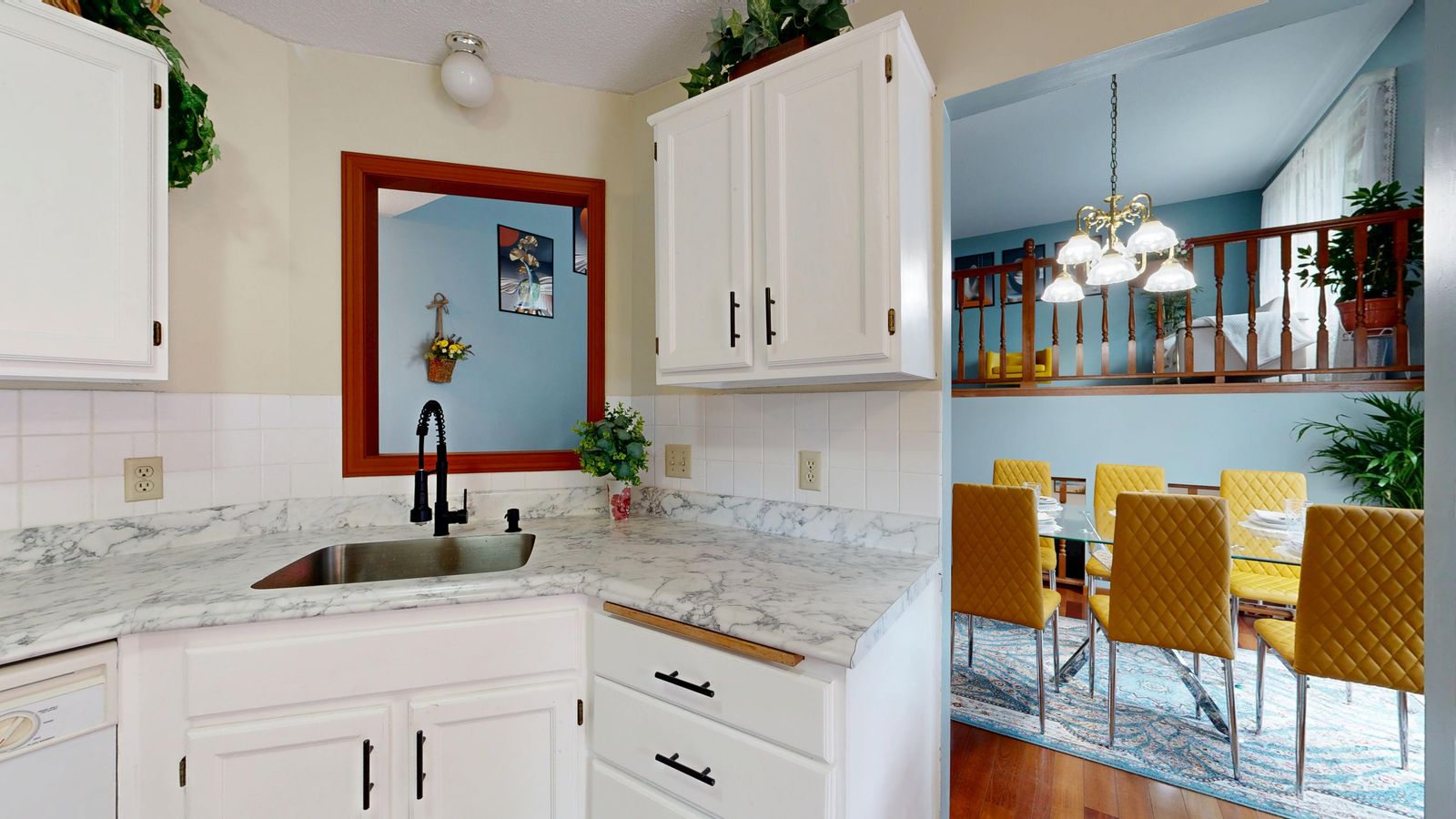
Read

Found a neighbourhood you love?

Let's Talk

Let's find out what's available there right now. I'll set up a custom search based on your criteria and send you matching homes as soon as they hit the market.

Data is supplied by Pillar 9™ MLS® System. Pillar 9™ is the owner of the copyright in its MLS®System. Data is deemed reliable but is not guaranteed accurate by Pillar 9™.
The trademarks MLS®, Multiple Listing Service® and the associated logos are owned by The Canadian Real Estate Association (CREA) and identify the quality of services provided by real estate professionals who are members of CREA. Used under license.