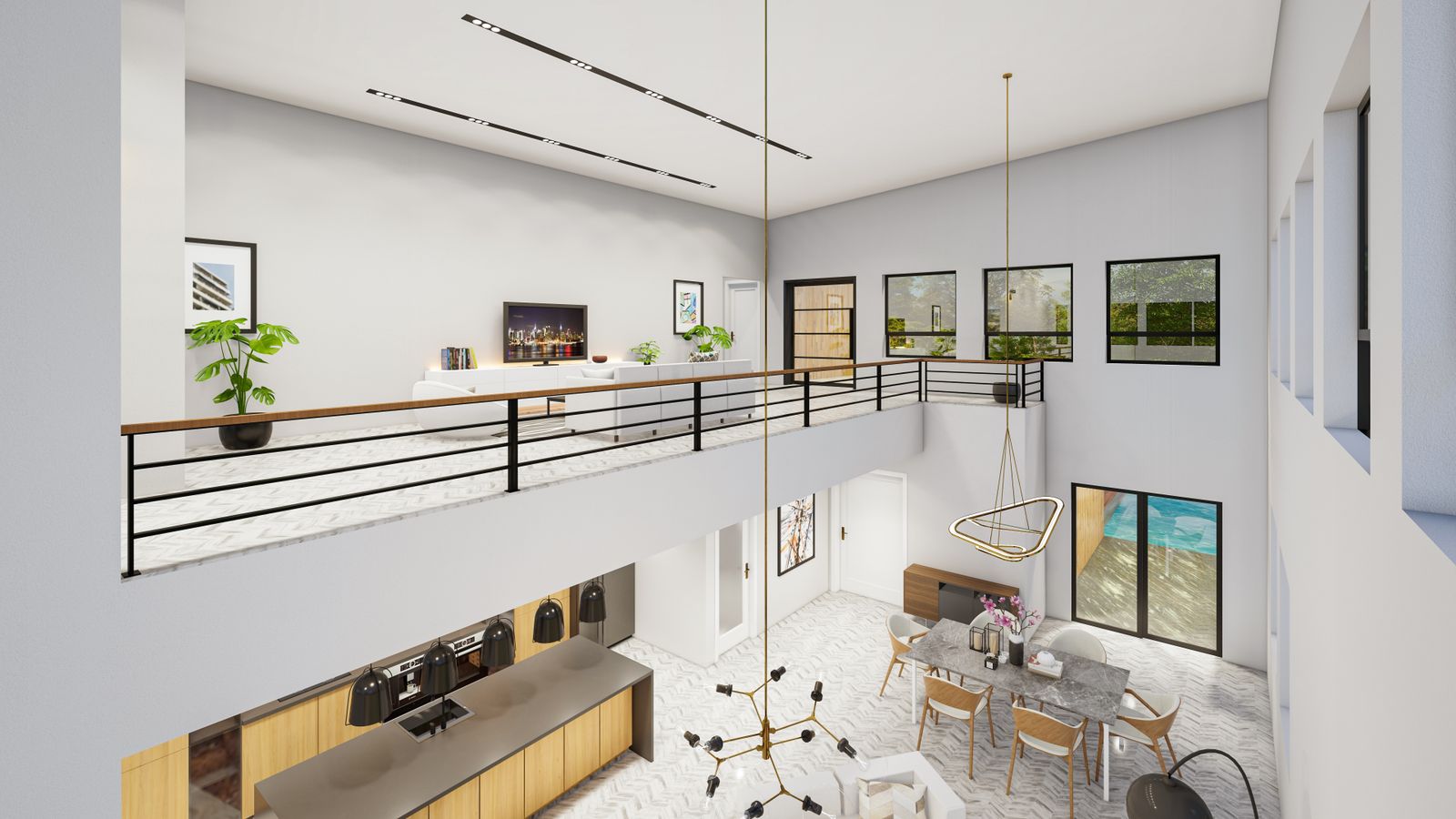
If you've already read up on Lake Bonavista's lake-access tiers — main lake versus Lake Bonaventure versus no access at all — you know the basics of where value sits in this community. What that comparison doesn't tell you is what it's actually like to live on any given street. Two homes with identical lake access can feel completely different depending on when they were built, how the lot sits, and how close you are to the daily bustle of the Promenade. This is the layer most buyers miss — so let's go there instead of repeating ground already covered.
It's Not Just Access — It's Era, Lot, and Proximity
Lake Bonavista was built out over roughly two decades, and it's been infilled steadily ever since. That means "Lake Bonavista" isn't one uniform product — it's several distinct micro-markets sitting inside the same boundary. Three factors matter more than most buyers realize:
Era of construction — original 1970s bungalows and bi-levels vs. 1980s two-storeys vs. modern infill and custom rebuilds
Lot size and street character — wide, mature-treed lots on quieter interior streets vs. tighter lots closer to arterial roads
Proximity to the village core — walkable to the Promenade's grocery, cafes, and clinics vs. deeper into the community's quiet residential pockets
Each of these changes the buying experience and the ongoing cost of ownership — independent of which lake-access tier applies.
Era of Construction: What You're Actually Buying
Original 1970s Bungalows & Bi-Levels
These make up a meaningful share of the community's original housing stock. Expect original windows, older mechanical systems, and — depending on the specific property — knob-and-tube wiring or older plumbing that a lender or insurer may ask about. The upside: larger, mature lots and lower entry price points relative to renovated or rebuilt homes nearby. These suit buyers with renovation budget and patience, or those planning to hold and update gradually.
1980s Two-Storey Family Homes
A slightly newer wave of construction, generally with more updated mechanical systems and floor plans closer to what modern buyers expect (more bedrooms upstairs, attached garages). Condition varies significantly by how well each has been maintained or partially updated over 40+ years — this is the era where "ask what's been replaced" matters more than the listing photos.
Infill & Custom Rebuilds
Newer construction on original lots, often full teardown-rebuilds. These command the highest price points in the community and remove the renovation-risk question entirely — you're buying current code, current systems, current finishes. The tradeoff is a materially higher price per square foot and, in some cases, a tighter lot than the original build occupied, since infill projects don't always preserve the original mature landscaping.
Lot Size & Street Character
Not every street in Lake Bonavista feels the same, independent of lake access:
Quieter interior streets tend to have wider, more mature-treed lots and lower through-traffic — appealing to buyers prioritizing privacy and a slower pace.
Streets closer to Anderson Road, Bonaventure Drive, or Acadia Drive carry more traffic noise and generally tighter setbacks, but offer faster access out of the community for commuters.
Cul-de-sacs and looped streets, common throughout the original 1970s planning, tend to hold value well because they limit cut-through traffic — a detail worth asking about even if it doesn't show up in listing photos.
If you value quiet over convenience, ask specifically about traffic patterns on the block, not just the community as a whole — Lake Bonavista's internal character varies more than its uniform curb appeal suggests.
Proximity to the Village Core vs. Quiet Interior Streets
The Lake Bonavista Promenade — grocery, cafes, clinics, and everyday services — sits at the heart of the community. Homes within easy walking distance trade a bit of quiet for genuine day-to-day convenience: you can run errands without getting in the car. Homes deeper into the community's interior streets trade that walkability for more privacy and typically less foot and vehicle traffic near your front door.
Neither is objectively better — it depends on how you actually want to live day to day. Families with young kids sometimes prioritize the quieter interior streets for safety; buyers who want a walkable daily routine often prefer proximity to the Promenade.
Comparison Table: Micro-Markets Inside Lake Bonavista
How to Use This When You're Actually Touring Homes
Don't just ask "what's the lake access tier" — ask these too:
What year was the home built, and what's been replaced since (roof, furnace, windows, wiring, plumbing)?
Is the lot on a through-street, a loop, or a cul-de-sac?
How close is this specific address to the Promenade on foot — and does that matter to your daily routine?
If it's an infill or rebuild, what's the lot size relative to the original parcel?
These four questions will tell you more about day-to-day livability than the access tier alone — and they're the questions I walk every Lake Bonavista buyer through before we write an offer.
What This Means for Pricing a Specific Home
A byproduct of Lake Bonavista having several distinct micro-markets under one name is that price-per-square-foot comparisons across the whole community are close to meaningless on their own. Two homes listed at similar prices can represent very different value propositions once you factor in era, lot, and location inside the community — one might be a fully updated infill on a tighter lot near the Promenade, the other an original bungalow on a wide, mature lot deep in a quiet loop. Neither is objectively the better buy; they're simply different products serving different priorities.
This is exactly why comparing a Lake Bonavista listing against "the community average" tells you less than comparing it against two or three genuinely similar properties — same era, similar lot type, similar proximity to the Promenade. A proper comparative market analysis accounts for all three factors, not just square footage and bedroom count.
Frequently Asked Questions
Are original 1970s homes in Lake Bonavista a bad investment compared to infill?
Not inherently — they simply serve a different buyer. Original homes offer a lower entry price and larger, more mature lots, which appeals to buyers with renovation budget and patience. Infill commands a premium because it removes renovation risk entirely, but it doesn't automatically outperform a well-maintained original home on long-term value. The right choice depends on your budget and appetite for renovation work, not which one is objectively "better."
Does living closer to the Promenade actually add resale value?
It can, but it's one factor among several rather than a guaranteed premium. Walkability to grocery, cafes, and clinics is a genuine convenience some buyers pay for, but it needs to be weighed against lot size, street noise, and privacy — a quieter interior lot can hold its own appeal to a different type of buyer. Don't assume proximity alone drives price; ask your agent to compare truly similar homes, not just distance to the Promenade.
How do I find out what's been replaced in an older home before I make an offer?
Ask the listing agent for any available records — permits, receipts, or a seller disclosure — covering the roof, furnace, windows, wiring, and plumbing. If records aren't available, a pre-offer inspection or a condition clause tied to inspection results is the standard way to protect yourself. This matters more in Lake Bonavista's original-era stock than in a community built entirely within the last decade.
Do cul-de-sac and loop-street homes actually sell for more than through-street homes?
They tend to hold value well because reduced through-traffic is a genuine, lasting draw for many buyers, particularly families. That said, "sells for more" isn't guaranteed in every case — it depends on the specific lot, condition, and era of the home too. Street type is best treated as one input into a proper comparative market analysis, not a stand-alone price multiplier.
Is it worth paying extra for an infill on a smaller lot versus an original home on a larger one?
That comes down to what you value more: move-in-ready certainty or land and space. Infill buyers are paying to eliminate renovation risk and get current-code systems and finishes; original-home buyers are paying less for more land but taking on eventual renovation costs. Neither is the wrong answer — it's a genuine tradeoff worth thinking through against your own timeline and risk tolerance.
Related Reading
Living in Lake Bonavista, Calgary: Complete Neighbourhood Guide
Cost of Living in Lake Bonavista, Calgary: What Homeowners Actually Pay
Lake Bonavista vs. Willow Park: Which Calgary Community Fits You Better?
Not Sure Which Part of Lake Bonavista Fits Your Life?
I'll walk the specific streets and listings with you — construction era, lot character, and Promenade proximity included — so you're comparing apples to apples, not just addresses on a map.
See Lake Bonavista Listings → | Book a Free Consultation →
About Stuart
Stuart Bartwicki is a REALTOR® with CIR Realty in Calgary. A former teacher, he focuses on the details that actually affect day-to-day living — not just the headline amenities — so clients buy the right home for how they'll actually use it. He spends a meaningful share of his time working Lake Bonavista specifically, which is reflected in the level of detail above.
📞 403-479-8990 | ✉️ stuart@stuart-realtor.ca | 🌐 stuart-realtor.ca
Comments:
Post Your Comment: