McKenzie Towne's design choices — the ones that make it distinctive as a new-urbanist community — also come with real, specific tradeoffs that most neighbourhood write-ups skip in favour of just listing what's great. Some buyers will love those tradeoffs. Others won't. Here's both sides, laid out plainly, so you can decide which camp you're in before you write an offer.
Pros
1. Genuine walkable design, not a marketing claim High Street is a functioning pedestrian main street — grocery, dining, fitness, and retail within a short walk for a meaningful share of the community. That's rare in suburban Calgary, and it's real.
2. Housing variety at every entry point Detached homes, townhomes, mid-rise condos, and carriage homes all exist within the same community, which means a first-time buyer and a move-up family can both find a fit here without leaving the neighbourhood they like.
3. Strong community cohesion Crime rates run 29% below the Alberta average, and the active McKenzie Towne Council keeps programming and events running. Families tend to stay, which supports long-term stability.
4. Solid commute position for a southeast community Deerfoot Trail runs along the west boundary — roughly a 13–15 minute drive to downtown, one of the faster SE Calgary commute times to the core.
5. Accessible price points relative to income A median household income of $104,000 against a cost of living roughly 11% below the Alberta average keeps the math workable for a wide range of buyers, particularly at the townhome and condo entry level.
Cons
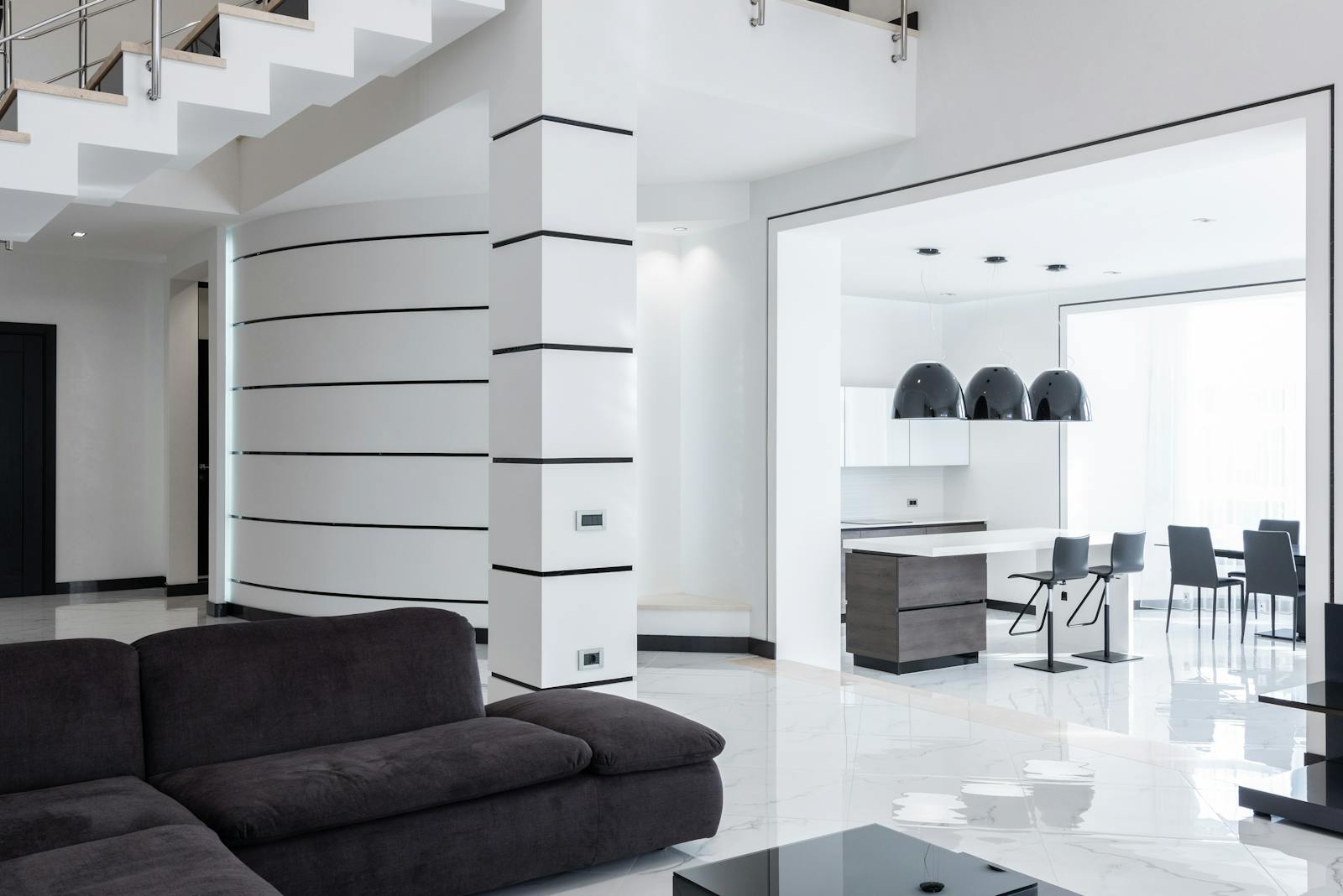
1. Higher density means less private outdoor space New-urbanism prioritizes street presence and walkability over large private lots. Homes — especially in Elgin and High Street — sit closer together than in a conventional suburban subdivision. If a big private backyard is a non-negotiable, McKenzie Towne's lot sizes may feel tight compared to communities built on a more traditional suburban template.
2. It's still a 13–15 minute drive to downtown — by car That's a reasonably good commute time for SE Calgary, but it's not downtown-adjacent living. Transit currently takes about 39 minutes via Route 302, and the planned Green Line CTrain station near 52nd Street SE is still in the planning stage as of 2026 — helpful context, not a solved problem yet.
3. Walkability has real limits High Street covers groceries, a gym, and a handful of restaurants — genuinely walkable for daily basics. It is not a substitute for a full retail node. Bigger shopping trips (Walmart, Home Depot, a wider grocery selection) mean a 5–10 minute drive north to South Trail Crossing. If you're picturing car-free living, temper that expectation; this is suburban walkability done well, not urban-grade walkability.
4. High Street brings noise and parking friction for adjacent residents A functioning commercial strip means traffic, deliveries, restaurant patio activity, and weekend foot traffic — good for a resident who wants to be part of it, less good for someone who wants a quiet residential buffer. Street parking around the busiest stretch of High Street can be tight during peak evening and weekend hours. If quiet is the priority, Inverness or Prestwick sit further from that activity than a home directly fronting High Street.
5. Condo/townhome fees add a real recurring cost Townhome and condo buyers — a meaningful share of the buyer pool searching for townhouses for sale in McKenzie Towne as an entry point — take on a monthly fee on top of the mortgage and property tax. It's manageable, but it needs to be budgeted honestly, and the reserve fund health behind that fee matters as much as the number itself.
Frequently Asked Questions
Is McKenzie Towne too dense for someone who wants a big yard?
If a large private backyard is the top priority, McKenzie Towne's design works against you somewhat — lots run smaller than in a conventional suburban community, particularly in Elgin and near High Street. Inverness and Prestwick tend to offer slightly more breathing room than the higher-density pockets, but even there, expect a more modest yard than you'd find in a community built on a traditional grid-free suburban template. It's a genuine tradeoff for the walkability and street design you get in return.
Does the High Street noise actually affect nearby homes, or is that overstated?
It's a real factor, not overstated, but it's also localized. Homes directly fronting or immediately adjacent to the High Street commercial strip experience more traffic, deliveries, and evening activity than homes a few blocks away in Inverness or Prestwick. If quiet matters more than proximity to amenities, buying a street or two back from High Street — rather than directly on it — solves most of the issue while keeping a short walk to everything.
How much does the commute really cost me in daily time, realistically?
Budget 13–15 minutes each way by car under normal traffic via Deerfoot Trail — that's a genuinely competitive SE Calgary commute time. Rush hour will push that up, as it does anywhere in the city. Transit riders should plan for roughly 39 minutes on Route 302. Until the Green Line station is built, transit isn't a fast option, so this is largely a car-dependent commute for downtown workers.
Are townhome fees in McKenzie Towne worth it, or should I look at a detached home instead?
That depends on what you value more: entry price or ongoing flexibility. A townhome gets you into the community at a meaningfully lower price point — often $195,000–$380,000 versus $450,000–$650,000+ for detached — but the monthly fee is a fixed cost regardless of how much (or little) you use the amenities it covers. If budget is the primary constraint, the townhome math usually still wins. If you want full control over exterior maintenance and no shared decision-making, detached is worth the price gap.
Is the walkability enough to actually reduce how much I drive day to day?
For daily basics — groceries, a workout, a casual dinner — yes, genuinely, if you live within a comfortable walk of High Street. For work commutes, larger shopping trips, and most errands outside the immediate community, you'll still be driving. It reduces car dependency; it doesn't eliminate it.
Related Reading
Living in McKenzie Towne, Calgary: Complete Neighbourhood Guide
Cost of Living in McKenzie Towne, Calgary: What Homeownership Actually Costs
Which Part of McKenzie Towne Is Right for You? A Full Sub-Area Comparison
McKenzie Towne vs. Copperfield: A Head-to-Head Comparison for SE Calgary Buyers
Want the Honest Read on a Specific Home or Sub-Area?
I'll tell you straight whether a property fits what you're actually looking for — not just what sounds good in a listing description.
See McKenzie Towne Listings → | Book a Free Consultation →
About the Author
Stuart Bartwicki is a REALTOR® with CIR Realty in Calgary, Alberta, and a former teacher who believes buyers make better decisions with the full picture — tradeoffs included, not just the highlights. He's spent nearly a decade helping Calgary families through purchases and sales across every stage of the process. He spends a meaningful share of his time working McKenzie Towne specifically, which is reflected in the level of detail above.
Educate. Empower. Excel.
📞 403-479-8990 | ✉️ stuart@stuart-realtor.ca | 🌐 stuart-realtor.ca
Comments:
Post Your Comment: